
Norman Borlaug – Who is he? What did he do? What did he cause?
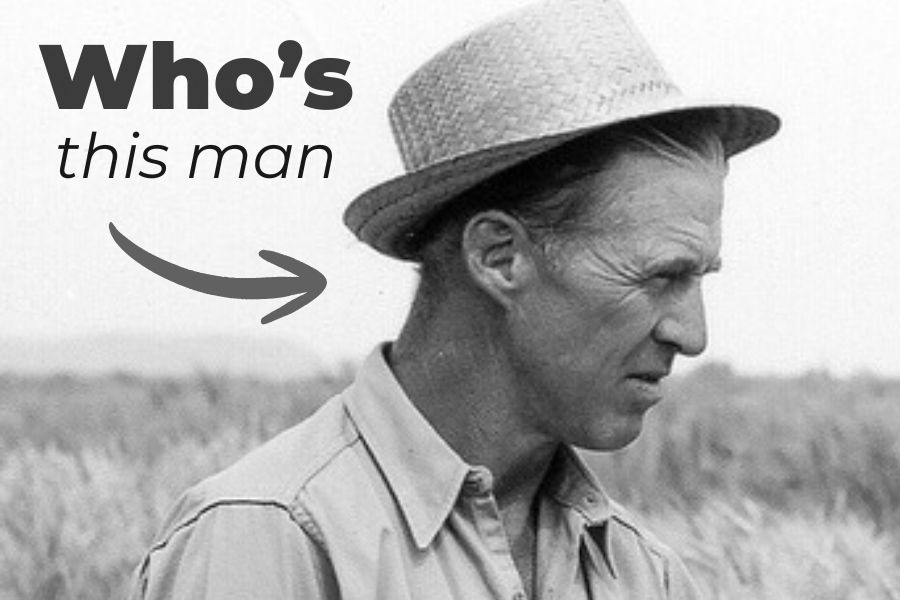
Imagine that there are two completely different opinions about you. One group of people believes that you saved 1,000,000,000 people from starvation, while others say that what you did actually caused major problems in the world. Yes, that person is Norman Borlaug. He is known for making wheat production many times more efficient and faster. In this blog, we’ll learn about his life, look at the methods he invented, and see whether he was truly a good guy or not.
Who was he?
Borlaug was an American agricultural scientist and plant pathologist, born in 1914 in the state of Iowa, USA, and a winner of the Nobel Peace Prize. He is usually called the Father of the Green Revolution.
Back then, families mostly grew just enough crops to support themselves and ran small farms. In other words, farming for large-scale sales wasn’t really a thing.
From childhood, almost from the moment he started walking, he worked on the farm. He collected eggs, pulled weeds, fed chickens, and took care of such small tasks. But as he grew older, the jobs increased.
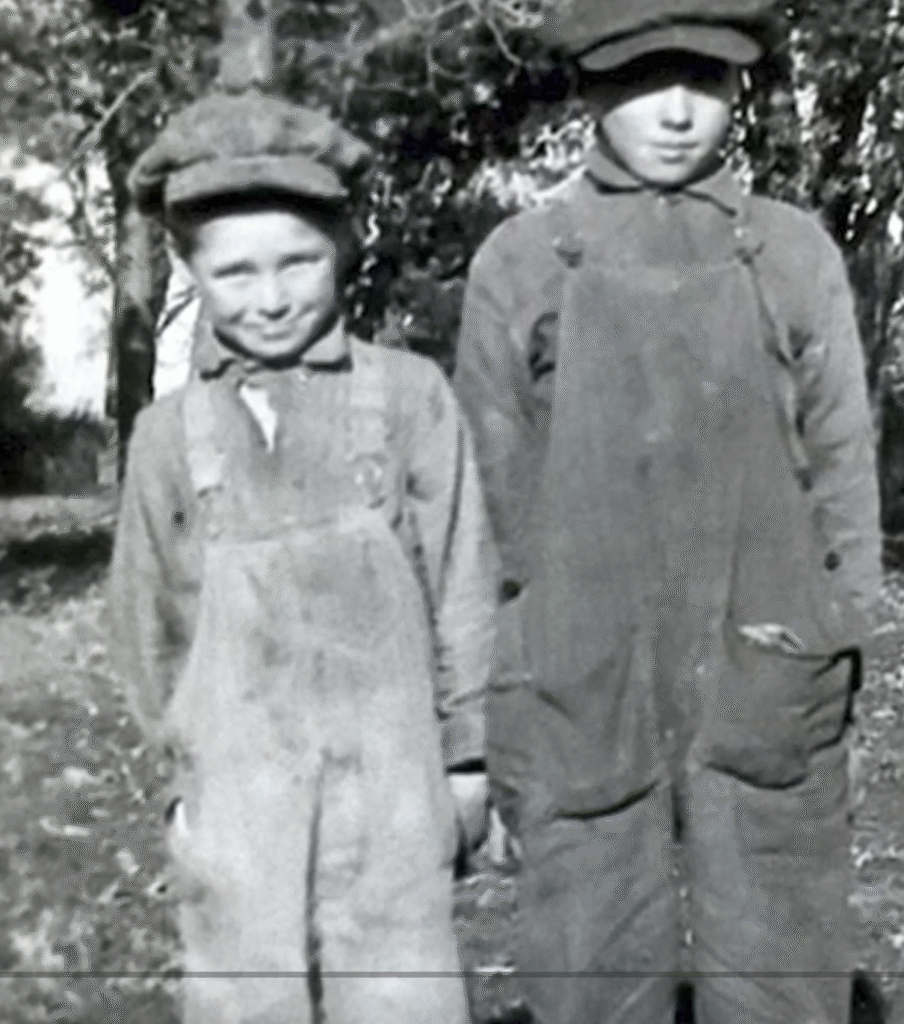
After seventh grade, he transferred to a school a bit far away and started focusing on sports, especially wrestling, while staying away from farm work. However, after some time, one of his teachers encouraged him to join an agricultural practice program. Because of his love for his state and his belief that he could do something meaningful with its land, Borlaug accepted the offer, using the agricultural knowledge he already had.
In this practice, Borlaug and other students grew crops in two different ways. In one method, crops were grown traditionally, without adding any chemicals. In the other, various chemical products were used.
And as you might expect, the results showed that the plant grown with chemicals produced twice as much food as the first one. This made sense to Borlaug, and he felt that they had discovered something very different.
Although he tried to enter university, he failed the entrance exam. As a result, he went to the College of Agriculture, majoring in forestry.
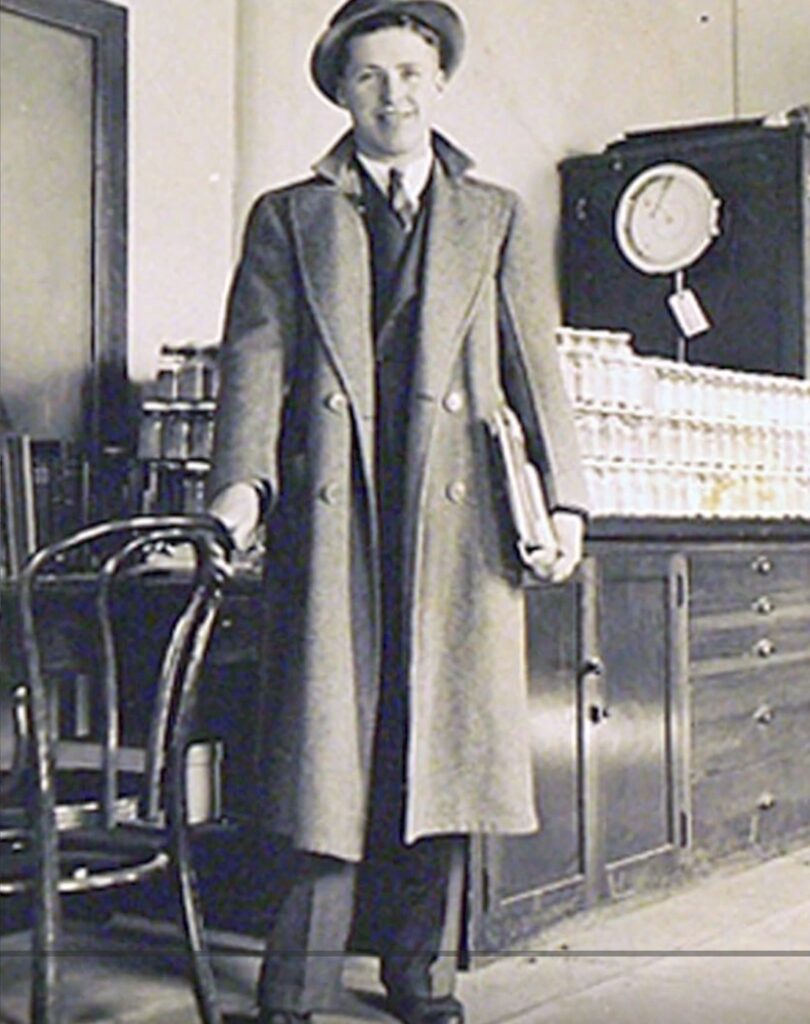
Although he planned to work in forestry, after some time, jobs in that field started to disappear. Because of this, he had to make new plans. Around that time, a period known in America as the Dust Bowl began (the 1930s). During this period, problems caused by poor agricultural practices (over-plowing land, planting the same crop in the same place repeatedly, etc.), and strong winds mixed dust with the soil, destroying farmlands.
The thing is, Borlaug witnessed all of this himself. While thinking about what he could do, he noticed that experimental crop fields were barely damaged and decided to make use of this. For him, it was a good time to turn his ideas into reality.
Borlaug believed that by growing crops again in these areas, using the methods and knowledge he learned during school, he could significantly reduce hunger, protect the Climate and the ecosystem by not overusing irrigated lands, and even discover new types of plants. But thinking well doesn’t always lead to good outcomes…
What did he do?
Years passed, and by 1944 Borlaug had been experimenting with bacteria, fungi, and similar things for a long time and had gained deep understanding. With the start of World War II, priorities began to change.
Over four years, Borlaug discovered four different ways of growing wheat. Using his methods, wheat became highly resistant to fungal diseases (Stem Rust) and matured about two weeks faster than before. In addition, he managed to reduce the need for sunlight. To achieve this, hundreds or even thousands of wheat varieties were studied, useful parts were selected, and worked on. It sounds a bit like GMO, and honestly, it kinda that.
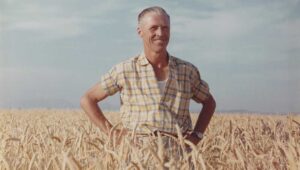
But it didn’t stop there. While growing wheat using his methods, Borlaug used a lot of fertilizer. Although he claimed these were organic fertilizers (made from animal waste and similar materials), back then there simply wasn’t enough organic fertilizer to meet all the needs. For that to be possible, livestock numbers had to increase, and as livestock increased, their feed (wheat) would also need to increase. So most likely, non-organic fertilizers were being used.
After some time, by 1956 Mexico had roughly doubled its productivity thanks to Borlaug’s discoveries, and by 1963 productivity had increased sixfold.
In 1963, Borlaug took these methods to Pakistan and India. While transporting the seeds and planting them there, war broke out, and people were fighting enemies on one side and growing crops on the other. But years later, both Pakistan and India became self-sufficient in terms of wheat.
What happened next?
After all this, Borlaug became known as the man who ended hunger for millions of people. Most importantly, his high-yield crops spread very quickly. Not long after, in 1970, he won the Nobel Peace Prize.
After a while, laboratory researchers began criticizing Borlaug and his supporters for growing crops using non-organic fertilizers. On top of that, other opposing views started to appear.
In response, Borlaug said:
“They have never felt physical hunger. They do their lobbying in Washington or Brussels, wearing comfortable work clothes. If they spent just one month in the struggling developing world, where I have spent 50 years, they would be crying out for tractors, fertilizers, and irrigation canals. And they would be angry when elites sitting comfortably at home tried to deny them these things.”
In 1984, Borlaug found two like-minded supporters. One was former U.S. President Jimmy Carter, who had past experience in agriculture and had taken responsibility for agricultural development in Africa. The second was Ryoichi Sasakawa, known as a figure associated with “selfish ambition, greed, ruthless obsession, and political manipulation.” With the support of these allies, Borlaug was able to continue his work.
What did it lead to?
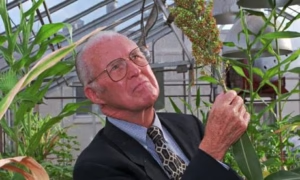
Now we’ve reached the most interesting part. First, I should say that Borlaug’s discoveries are impressive and admirable. He showed people what could be done by studying just one crop, wheat. All these discoveries were necessary in human history… or were they?
There are two main opinions about Borlaug:
- The first view is exactly what you see in this blog. People applaud his actions and believe that he ended hunger for hundreds of millions of people.
- But the second group thinks differently. They believe that although Borlaug achieved higher yields, he may have also caused many problems.
Opposing views
Population growth – By feeding more people, more people were born. This caused the global population to grow faster than expected. Instead of reaching 9 billion by 2050, humanity is already at 8.2 billion in 2025 (and 2026 is literally in three days :)).
Another issue is that, while feeding people, he is believed to have left many workers unemployed. As mentioned earlier, his method relied heavily on fertilizers. After Borlaug’s approach spread, it almost ruined traditional wheat farming, and small farmers, unable to afford non-organic fertilizers, were pushed out of business.
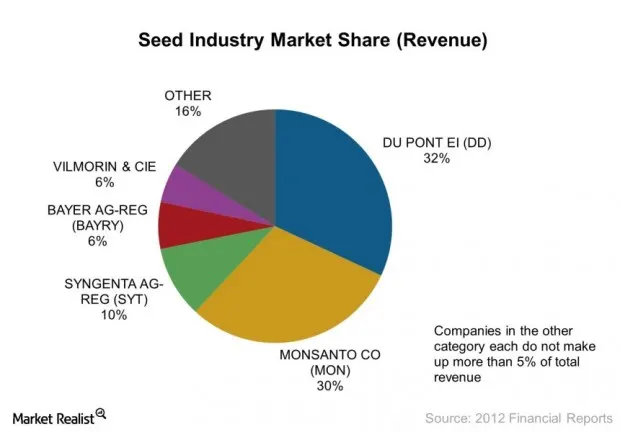
This last issue can be explained with an example. Today, just two American companies control more than 60% of the global seed market. The logic is almost the same. If governments sell using Borlaug’s method, small and private businesses will collapse.
While researching this topic, I also came across a very interesting opinion on the Medium platform. It said that “Borlaug failed to understand that producing more food does not completely eliminate hunger; in fact, it can even cause it.” In other words, no matter how much food is produced, what’s the point if it doesn’t reach those in need? An example is in the United States, 60 million tons of food are wasted every year.
Just like how poverty would disappear if the world’s richest people gave only 5% of their wealth as zakah.
One last thing to note: people on both sides still see Borlaug as a good, highly educated scientist. The difference is that one group emphasizes that what he did was not managed properly.
End
So yeah… I wrote this blog about Norman Borlaug using the internet as much as I could. And honestly, I think there are still many more interesting topics to explore in agriculture :))
References
- https://en.wikipedia.org/wiki/Norman_Borlaug
- https://tawise01.medium.com/learning-the-wrong-lessons-7879fdca7ee6
- https://www.youtube.com/watch?v=tdj5Lfv1X2c&t=56s
- https://www.youtube.com/watch?v=ARTW3CQnF3A&t=443s
- https://www.worldfoodprize.org/en/dr_norman_e_borlaug/about_norman_borlaug/
- https://www.reddit.com/r/atheism/comments/wwe5o/if_you_dont_know_who_norman_borlaug_is_he_was_a/
- https://www.reddit.com/r/science/comments/9k43l/in_honor_of_norman_borlaugs_death_here_is_the/
- https://tinyurl.com/mrd68szk
- https://www.youtube.com/watch?v=DM_qyOlYfjQ
- https://www.britannica.com/biography/Norman-Borlaug
- https://www.rts.com/resources/guides/food-waste-america/
Subscribe to get notified when new post is published!
