
Problems of Europe Importing Frozen Meat from Asia
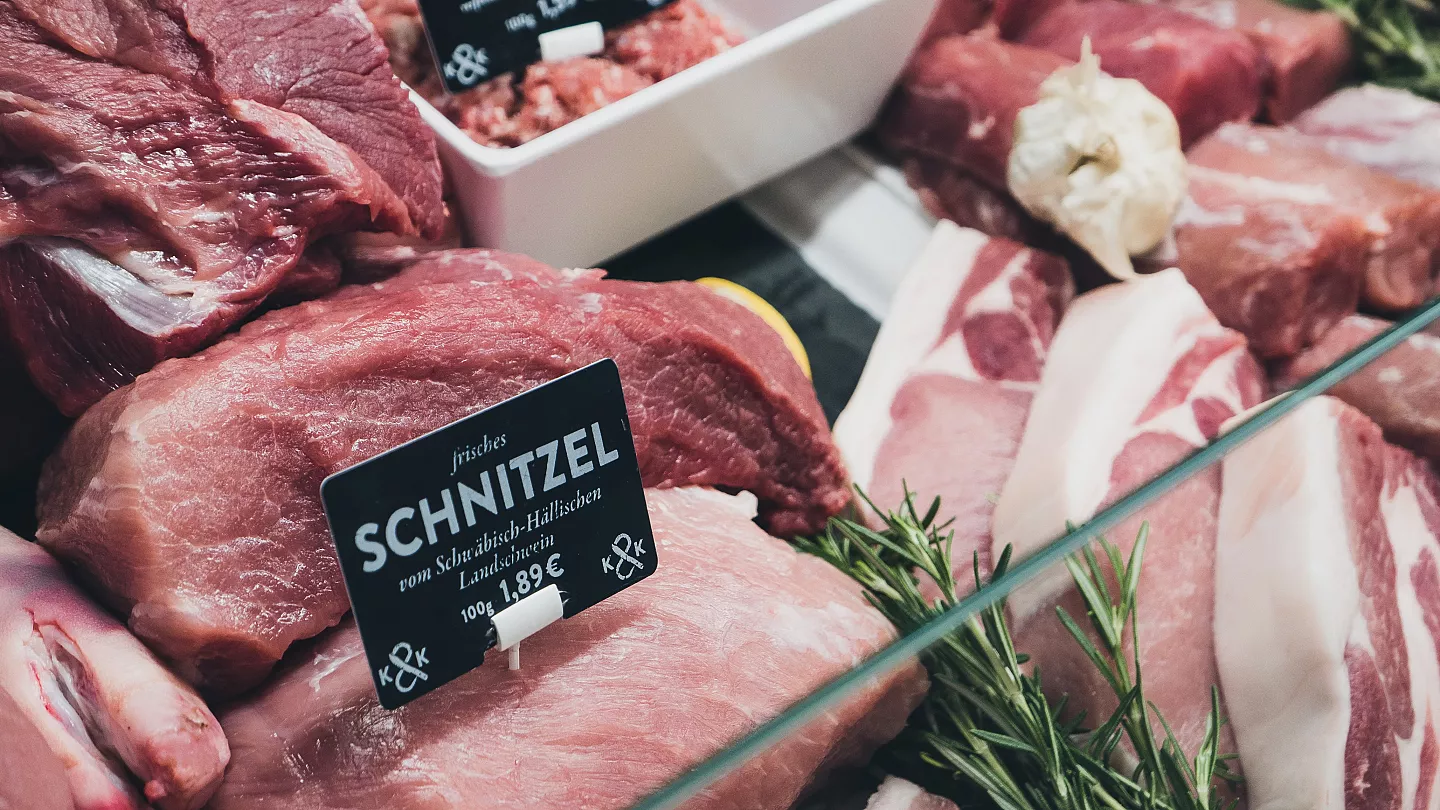
Imagine that you own many farms in a European country and you sell meat. One day you realize that people are not buying from you anymore, because meat is being sold cheaper in state-run stores. After some time, professions like butchery and farming no longer exist in your country.
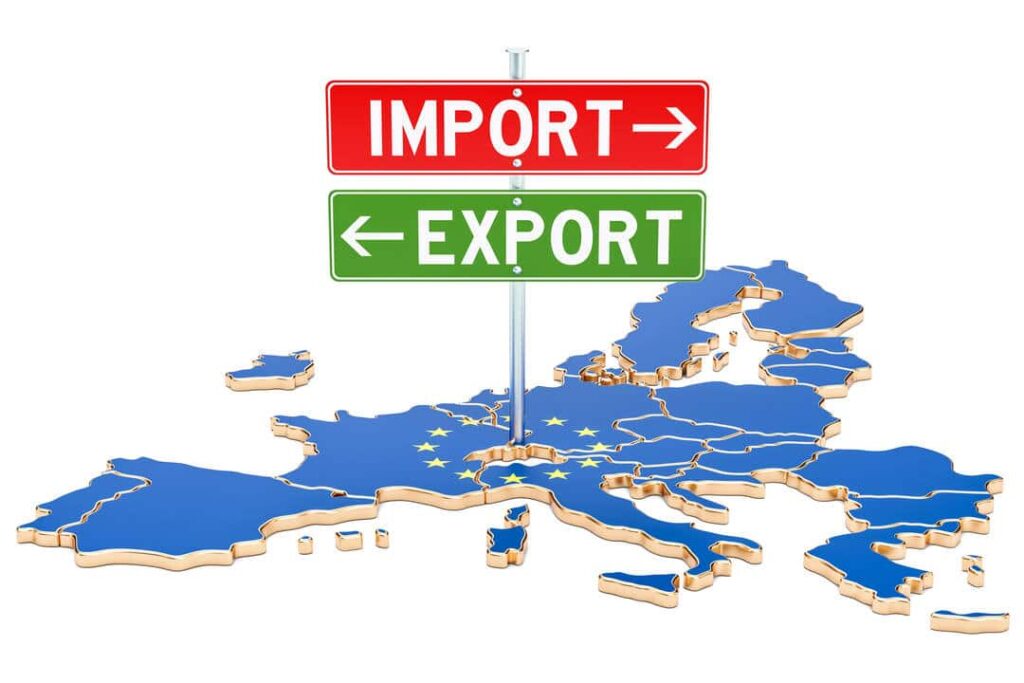
By the late 1990s, the development of technology had made import and export from abroad much easier on a large scale. Europe was one of those who took advantage of this ease. So, in the late 1990s, Europe started buying frozen meat from Asia.
There were several reasons why Europe chose to buy this frozen meat. These included low prices, easy storage because the meat was frozen, greater access to large quantities of meat, state-controlled pricing, and other advantages. Europe mainly imported meat from India, Thailand, and China, and this still continues today.
However, it should be known that these imports led to very serious problems. Some of them are listed below.
Local farmers losing money
As we know, local farmers cannot compete with the state. If the state sells cheaper, the case is closed. This greatly weakened the development of farmers in Europe.
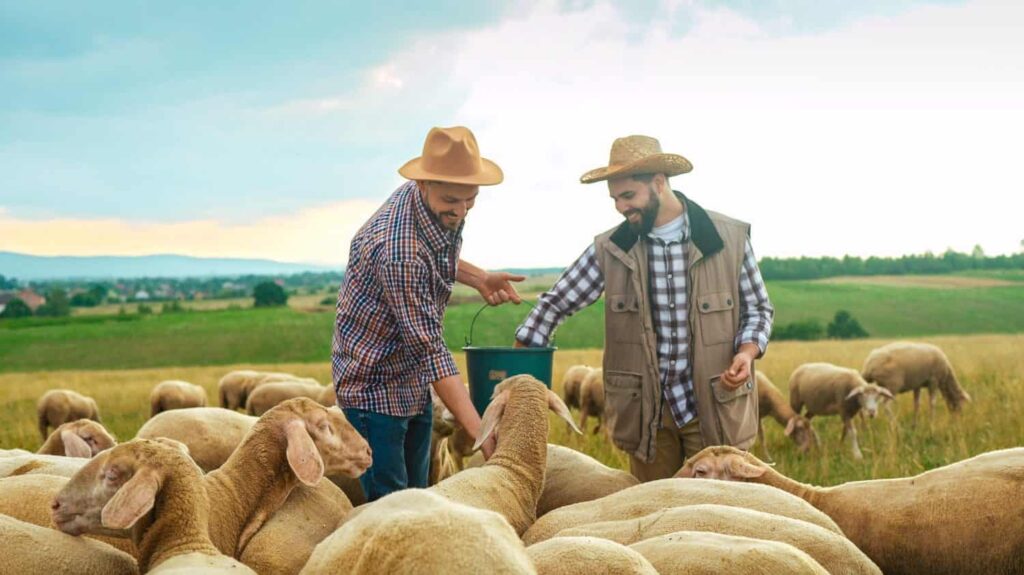
Local meat production decreases
If meat is coming from elsewhere, then local brands will stop producing meat. Because they will not be able to sell it. The majority of people started using the cheaper meat brought in by the state.
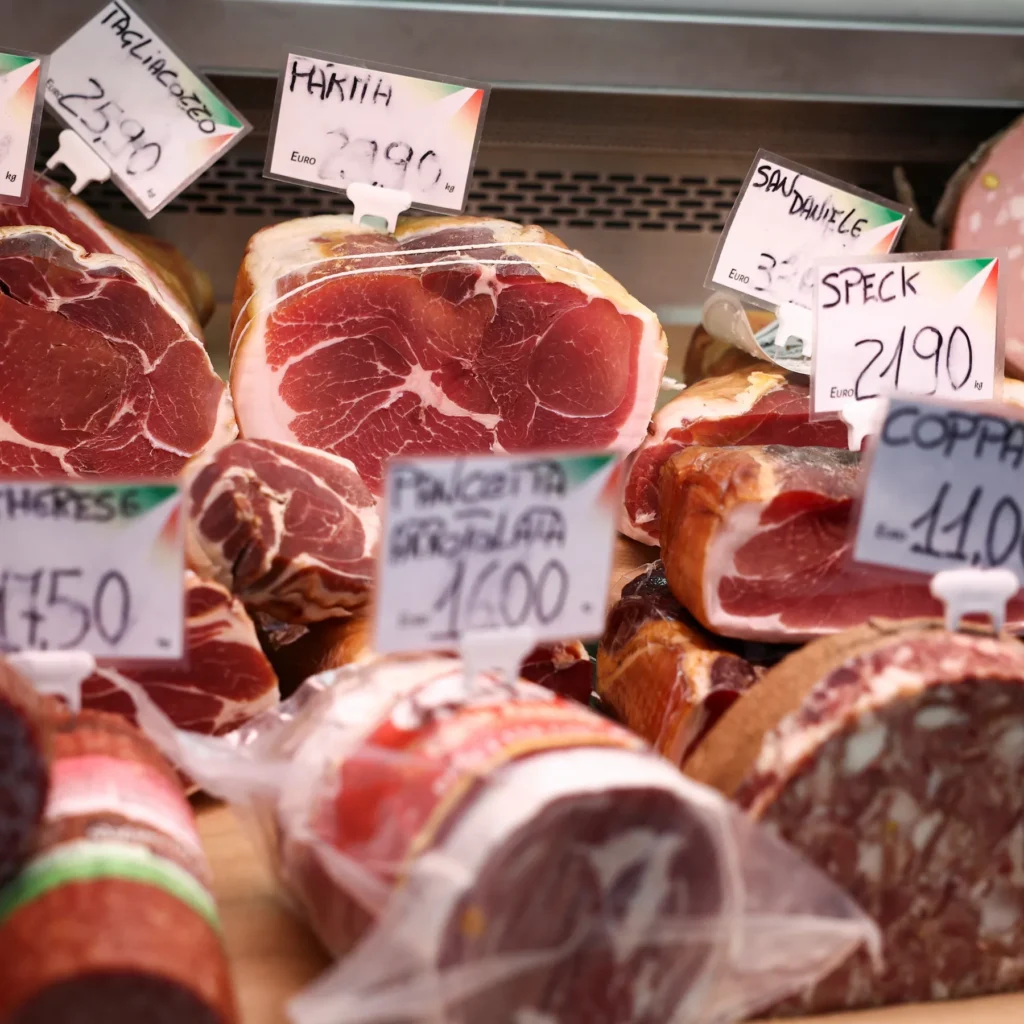
The food system becomes more dependent on imports
We said that Europe lost its farmers because it imported meat from Asia. But what happens next? What if Asia stops selling meat for a while? In that case, Europe would be forced to redevelop farming from scratch. This shows that Europe becomes dependent on imports.
Environmental impact
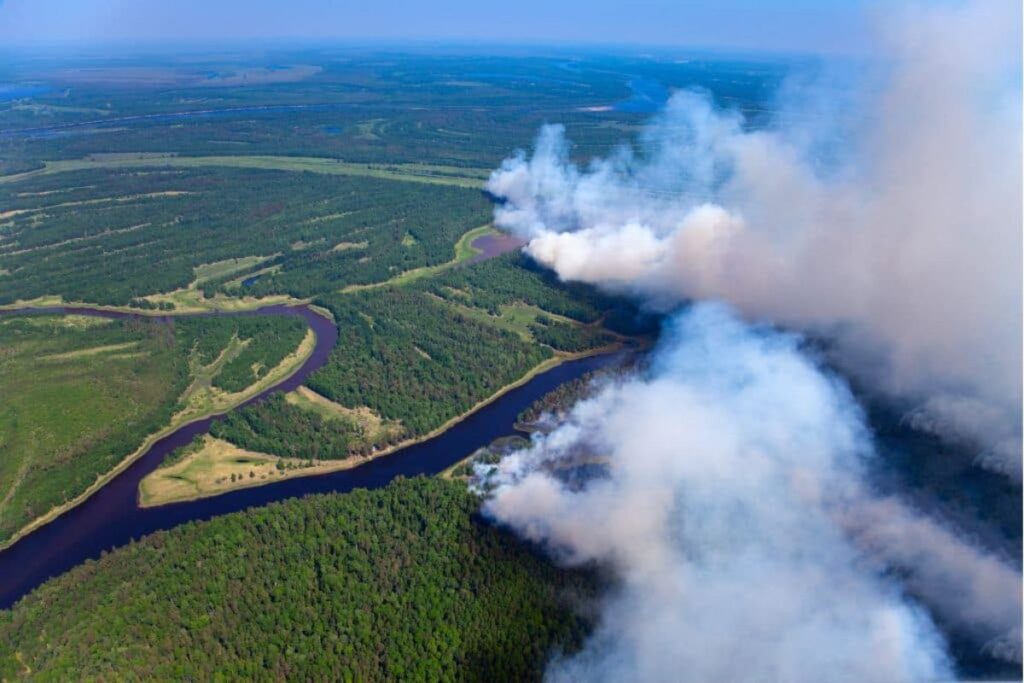
This process has a major impact on the environment. It includes the use of dozens or even hundreds of transport vehicles, their emissions, the damage they cause to nature, packaging materials, and other products that harm the environment. Each of these is a serious problem on its own.
Quality and trust issues
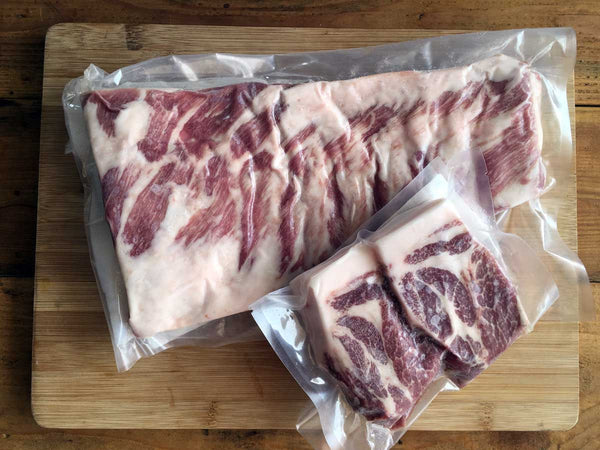
As mentioned, the meat comes from Asia to Europe. This means there are very large differences between the two continents in terms of culture, environment, lifestyle, and more. These differences can affect meat quality, packaging processes, and transportation.
Conclusion
Yes, as you can see, a single decision by Europe had a very strong impact on European countries. Still, we can say that this was both a good and a bad choice. Thank you.
Subscribe to get notified when new post is published!
