
The Game of Doritos – The Dorito’s Effect #1
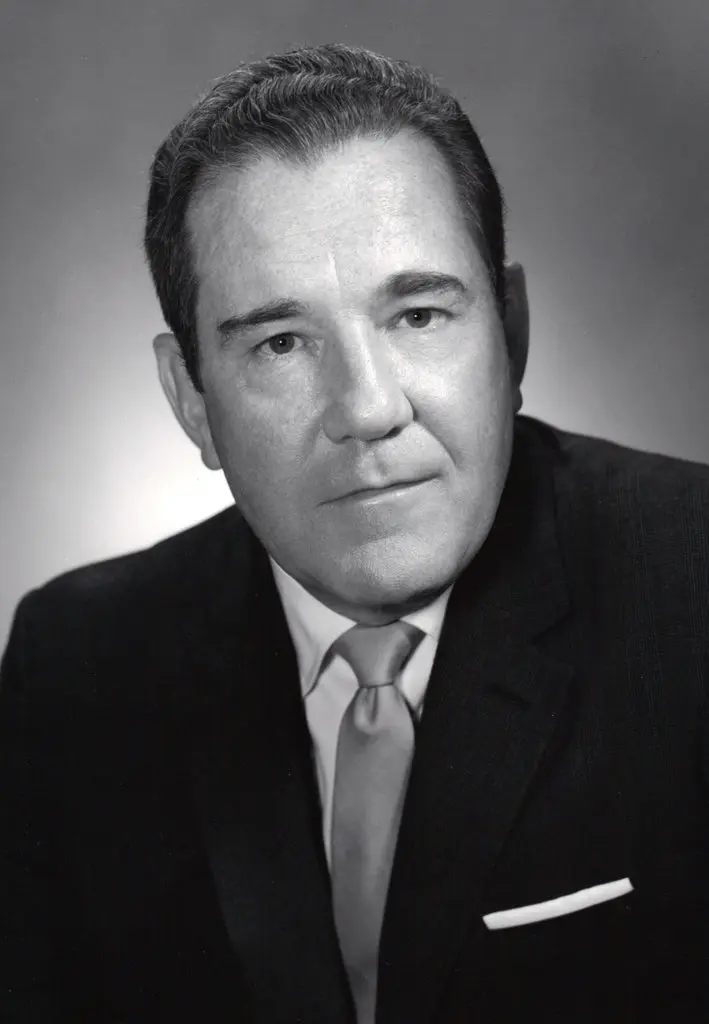
Frito-Lay’s (the parent company of Doritos, Lay’s, and many other chip brands) vice president of marketing once took his wife and three kids on a trip to California. It was supposed to be a family vacation, but by the time they came back, Arch West had a major venture waiting ahead of him.
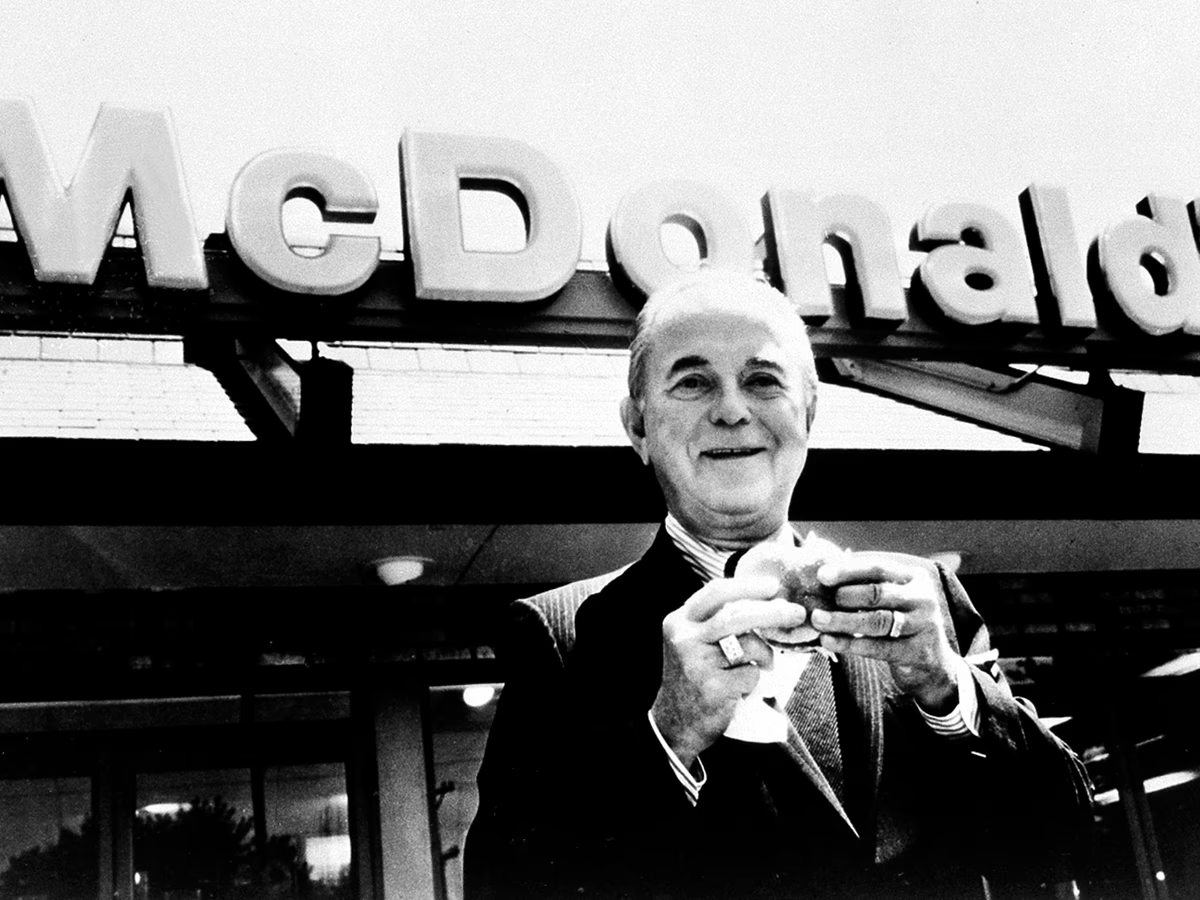
One day, the family was sitting at a restaurant called Five Crowns when someone approached them and complimented his daughter’s hair. Then he asked if they had ever been to his restaurant, and the family said they had never even heard of it. That man was Ray Kroc, and the restaurant was McDonald’s.
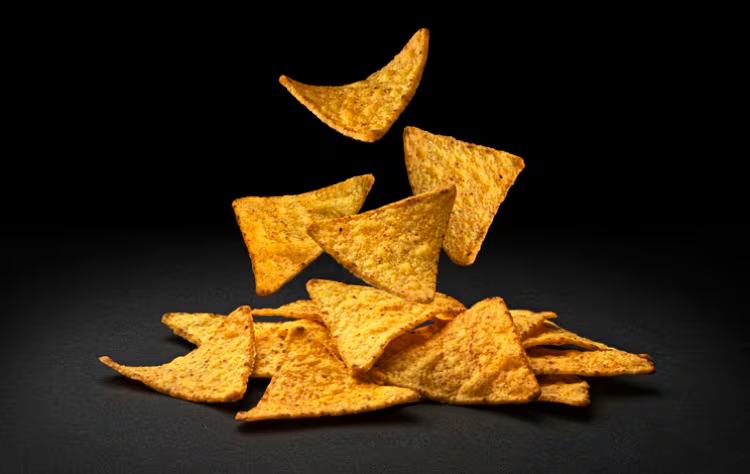
But Doritos didn’t start there, and not from McDonald’s either. After a while, the family stopped at a roadside restaurant and ordered a box of tortilla chips (those triangular flatbread chips). Arch West was seriously impressed by how crunchy they were. The chips he was selling at Frito-Lay were similar, but there was a big difference in crunch between his and the ones he tasted. Right at that moment, he got an idea: Frito-Lay’s new product: tortilla chips.
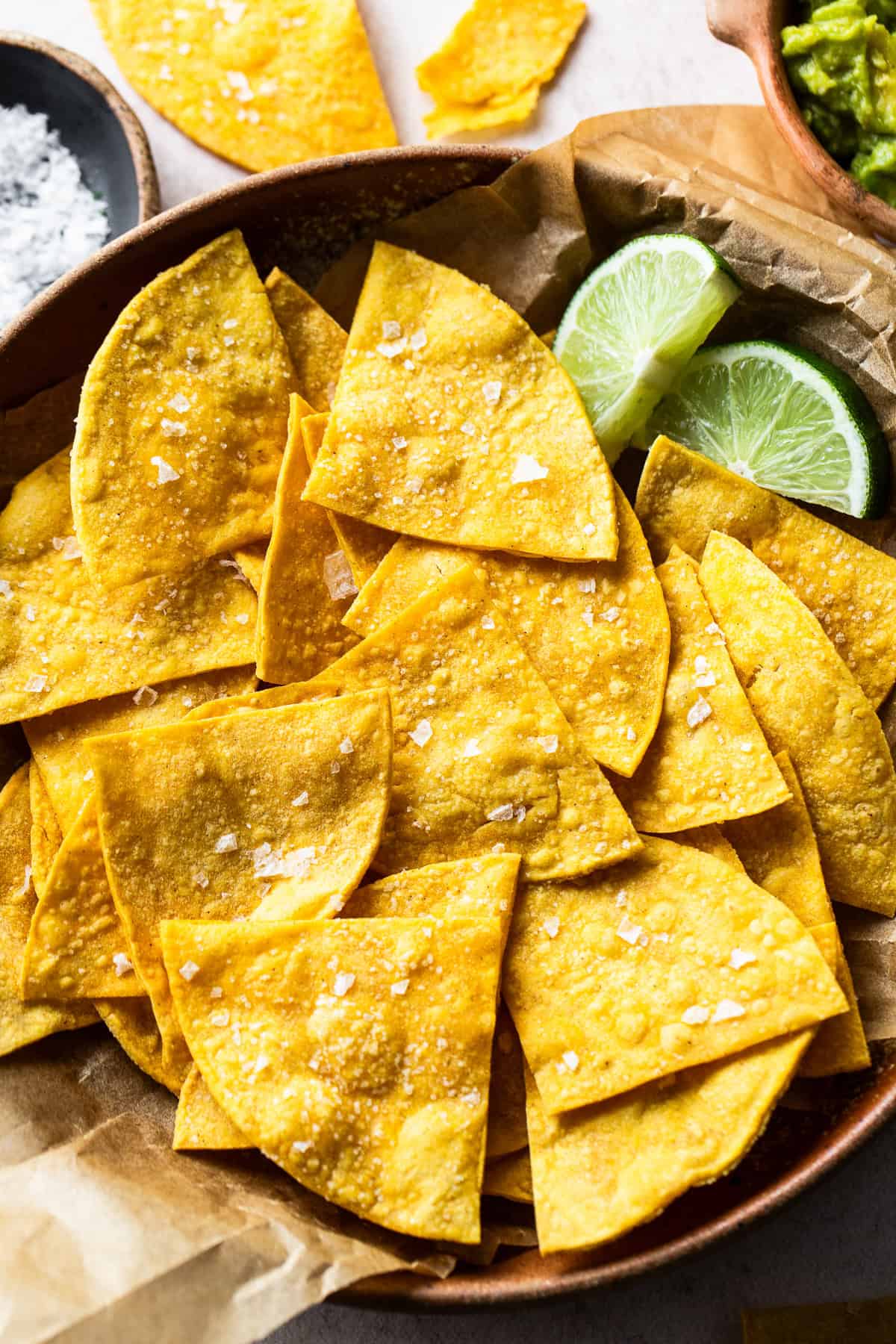
He shared this idea at the company’s headquarters, but the reaction from his colleagues was about as loud as a vacuum cleaner running at full power… just not plugged in (I got the joke from the book). So he decided instead of talking about it, he’d bring a sample. And he gave it a name: Doritos.
After that, Doritos started selling a bit in parts of the U.S. There was one problem though: even though Doritos sounded Mexican, it wasn’t actually Mexican. Sales weren’t going great, and his colleagues started putting pressure on West. But he didn’t stop. He believed these chips would work.
Then he decided to make Doritos taste like tacos (a Mexican food). His coworkers didn’t take him seriously at all. They even told him, “You don’t understand the difference between the thing and the flavor.” West actually knew that, but he believed that gap could be closed. He thought people weren’t smart enough to notice the difference, and technology had become strong enough to pull it off. That was his market.
If that didn’t make sense, here’s a simpler way to put it: chips are a thing, onions are also a thing, but what we experience when we eat an onion is its flavor.
About four years later, the gap between flavor and the actual thing became much smaller. People loved taco-flavored Doritos. Years later, new flavors came out—like barbecue (meat), which was made using the smoke that comes from cooking meat. People loved the barbecue taste… even though there was no actual barbecue in the chips.
By the 1960s, technology had reached a point where it could almost “erase” the difference between flavor and the real thing. And it wasn’t just that, many things were changing at the time: fruits, meat, vegetables, and more. The corn industry was increasing rapidly too. Compared to 30 years earlier, three times more corn was being produced, but it didn’t taste the same anymore. Around that time, the company (Frito-Lay) also got into potato chips. Where a farmer used to produce around 63 crates of potatoes, that number had gone over 200, and just like corn, the taste wasn’t the same anymore. Tekkknooooology.
From that day to now, the gap between flavor and the real thing has kept declining. The food we eat doesn’t taste like it used to. Nutritional value has dropped. All kinds of technologies are being added to food.
But let’s not forget, this wasn’t just by Doritos. Doritos was just one example, a famous one. That’s why the concept called “The Doritos Effect” came about.
As humans, we have to accept that taste matters a lot to us. Sure, many of us like consuming vitamins, fish oil, and similar things, but what we really enjoy is flavor. We chase taste. That’s just how we’re built.
When we look at the ingredients of simple snacks in the market, we see lots of flavorings. For example, we eat a spicy tomato chip with 30+ ingredients listed, and it tastes exactly like spicy tomato. But what we don’t realize is that in that moment, we’re basically consuming flavoring chemicals. Even if we kind of know it, we still like those tastes. Instead of plain chips, we go for kebab-flavored ones. Not plain water, but carbonated or flavored drinks. That’s just the world we live in.
And it’s not just fast food. The meat, oil, milk, tea, many things we consume are full of added flavoring. Even if these foods are harmful, we’ve learned how to make them taste good. When tomatoes taste too chemical, we mix them into meals. We don’t eat bread plain, we add something on top. In short, just like West added flavor to stale tortillas to sell more, we do the same.
The Doritos Effect is the development of food becoming complex and the advancement of food-enhancing technology.
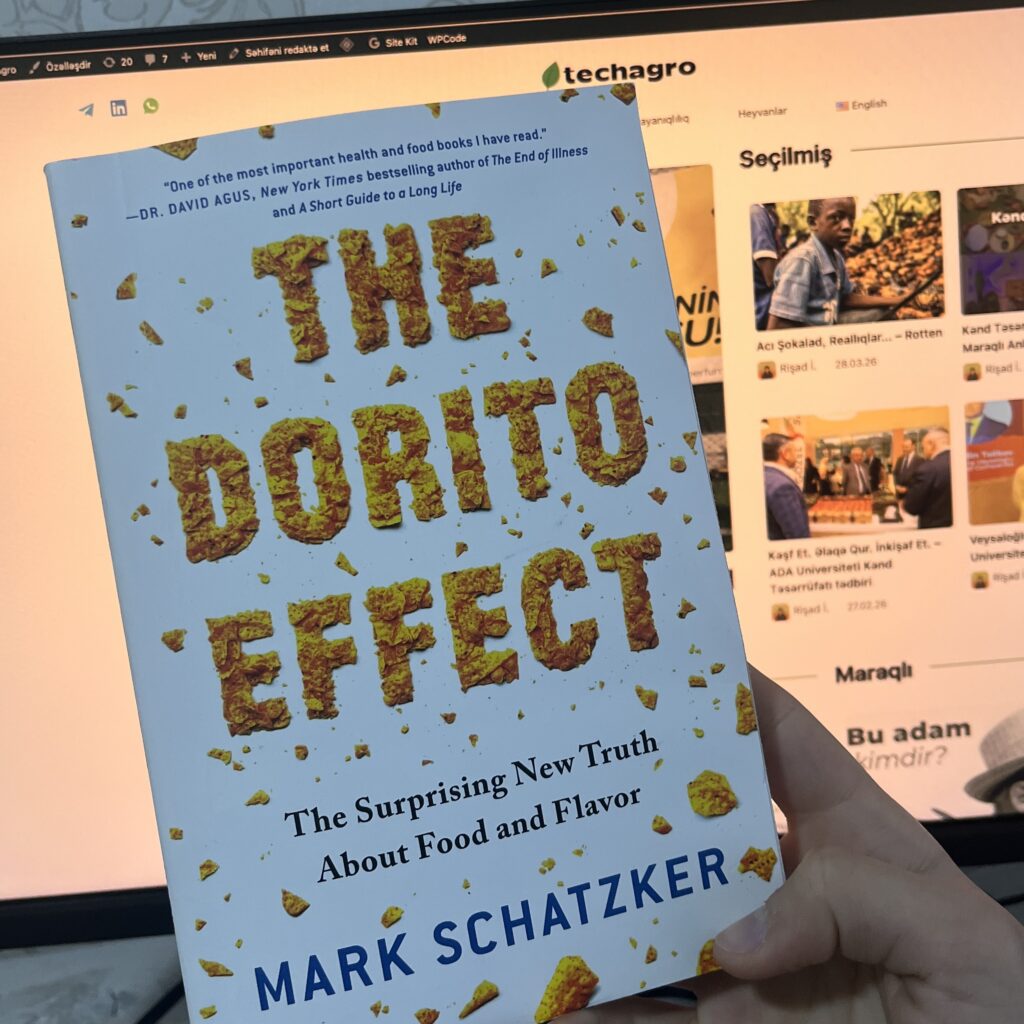
Yep. What you just read was from the book The Doritos Effect. After getting this book, I decided to write a blog post for each part I read. This was the first one. Hope you liked it. More coming soon, inshallah!
Subscribe to get notified when new post is published!
