This is the first blog of the TechAgro page. I am Rishad Ibrahimov, and from now on, I will share everything I learn in the field of smart agriculture. Stay tuned!
In this blog, we will talk about agriculture and explore both smart and traditional agriculture. First of all, let’s understand what agriculture is in general.
Agriculture
The word “Agriculture” is derived from Latin: “Ager” and “Cultura”. “Ager” means land, and “Cultura” means cultivation.
Definition: “The cultivation of plants and the raising of animals for obtaining food either for consumption or for sale.”
Overall, the purpose of agriculture is to use land to grow more products. 29% of the Earth’s surface is land, of which 38% is used for agriculture, and only 33% of that is suitable. That means only about 3.6…% of the Earth is suitable for agriculture.
Many things can be done in agriculture. For example:
Plant Science – growing the plants we eat daily (rice, potatoes, etc.)
Animal Husbandry – raising animals and obtaining products from them (milk, eggs, etc.)
Veterinary Science – dealing with animal diseases
Fishery – raising and managing fish
Stages of Agricultural Development
Below, we will talk about the first five stages of agriculture: Primary/Primitive, Hunting, Fire, Animal Domestication, and Crop Cultivation.
Primary/Primitive
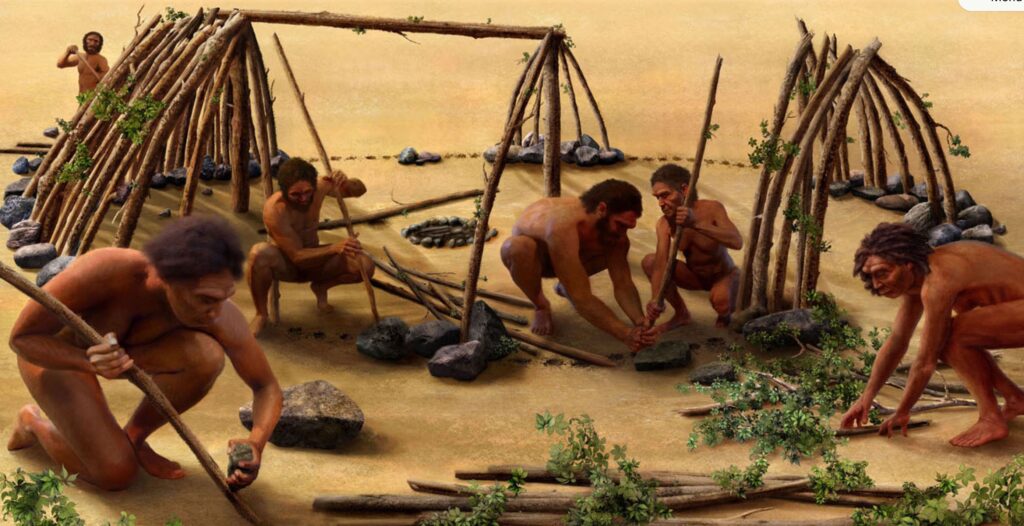
This stage began after humanity appeared on Earth and focused on protection from animals. Humans were helpless and had to find ways to protect themselves from wild animals. So, they built shelters using tree branches.
Hunting
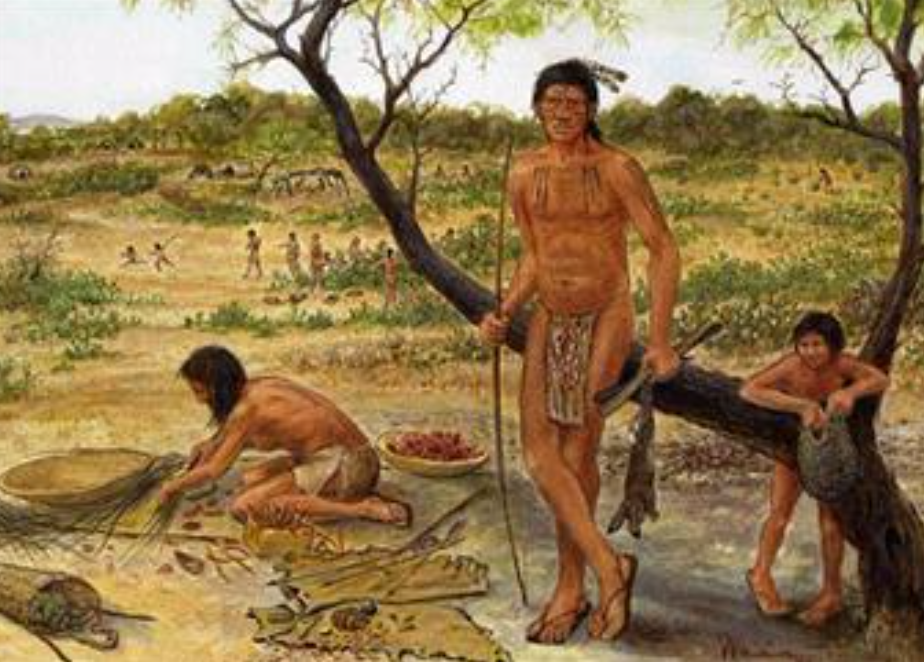
After a while, humans began protecting themselves from predators by throwing stones. This stage is also called the Old Stone Stage. Humans ate raw meat from wild animals. Women collected fruits from nearby areas and wore animal skins.
Fire
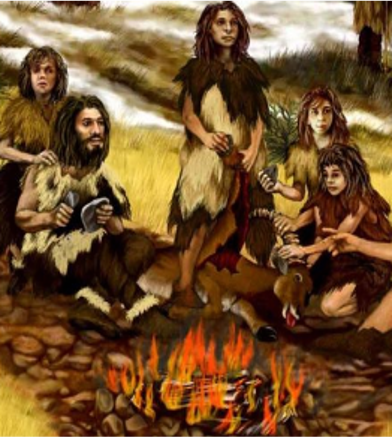
Also called the New Stone Age. Humans could now make fires. They cooked meat, warmed themselves with fire, and more.
Animal Domestication
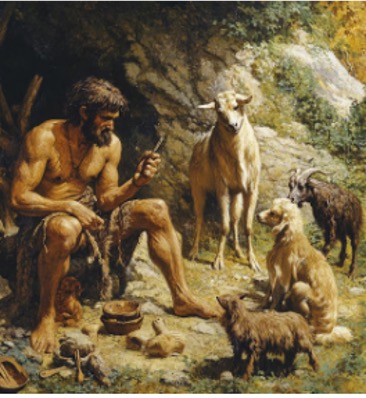
At this stage, men became animal experts. They started keeping animals for the future, marking the beginning of domestication. Initially, cattle, goats, sheep, dogs, etc., were domesticated.
Women took care of feeding the animals.
Crop Cultivation
In the final stage, people realized that plants grow from seeds they kept in their yards. Women were mainly involved in this work, making them pioneers of agriculture.
Later, people dug the soil and grew small cereal crops. This marked the beginning of farming.
Interesting Fact:
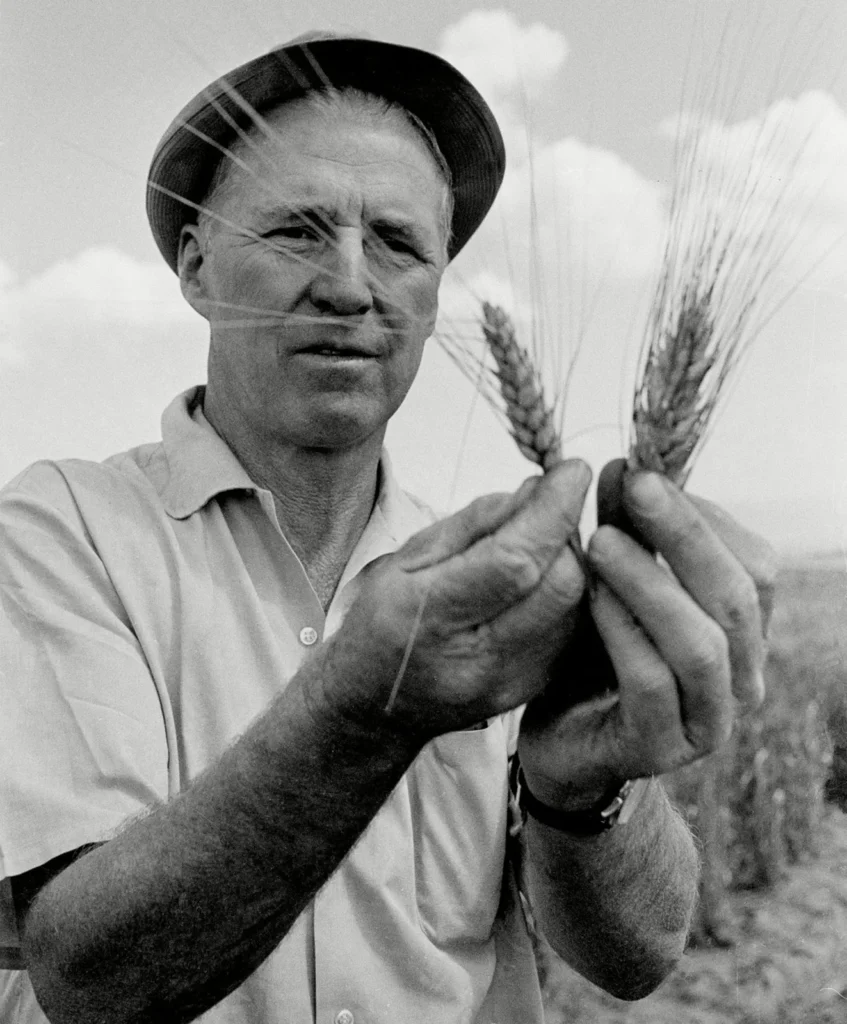
Modern agriculture began in the 18th century. Later, in the 1960s, a man named Norman Borlaug made a discovery no person had imagined. He managed to cultivate different varieties of plants, especially wheat and rice, doubling crop productivity in two countries. He is even called the Father of the Green Revolution.
The following can be obtained through agriculture:
Food – Not just eating, but essential items humans cannot live without. Humanity always needs food. Some foods are high in carbohydrates, some in protein, some in fat, etc. All of this depends on agriculture.
Clothing – About 70% of the world’s clothing is made from cotton, which is an agricultural product. There is also leather clothing.
Houses – Most houses are built using wood, showing the need for trees.
Industry – Agriculture provides raw materials for industry. Examples include medical products, paper, soap, candles, paint, perfume, and many more.
Income – High revenue can be generated from rented land, farms, agricultural products, and other agriculture-related activities.
Natural Beauty – Various flowers, plants, decorative shrubs, etc., are provided through agriculture.
Environmental Balance – Plants release O2 (oxygen) into the atmosphere, and animals release CO2 (carbon dioxide), balancing atmospheric gas concentrations. Agriculture helps maintain environmental balance by producing plants and animals.
What is Smart Agriculture?
If we know what agriculture is, the next step is learning about its smart version: “Smart Agriculture”.
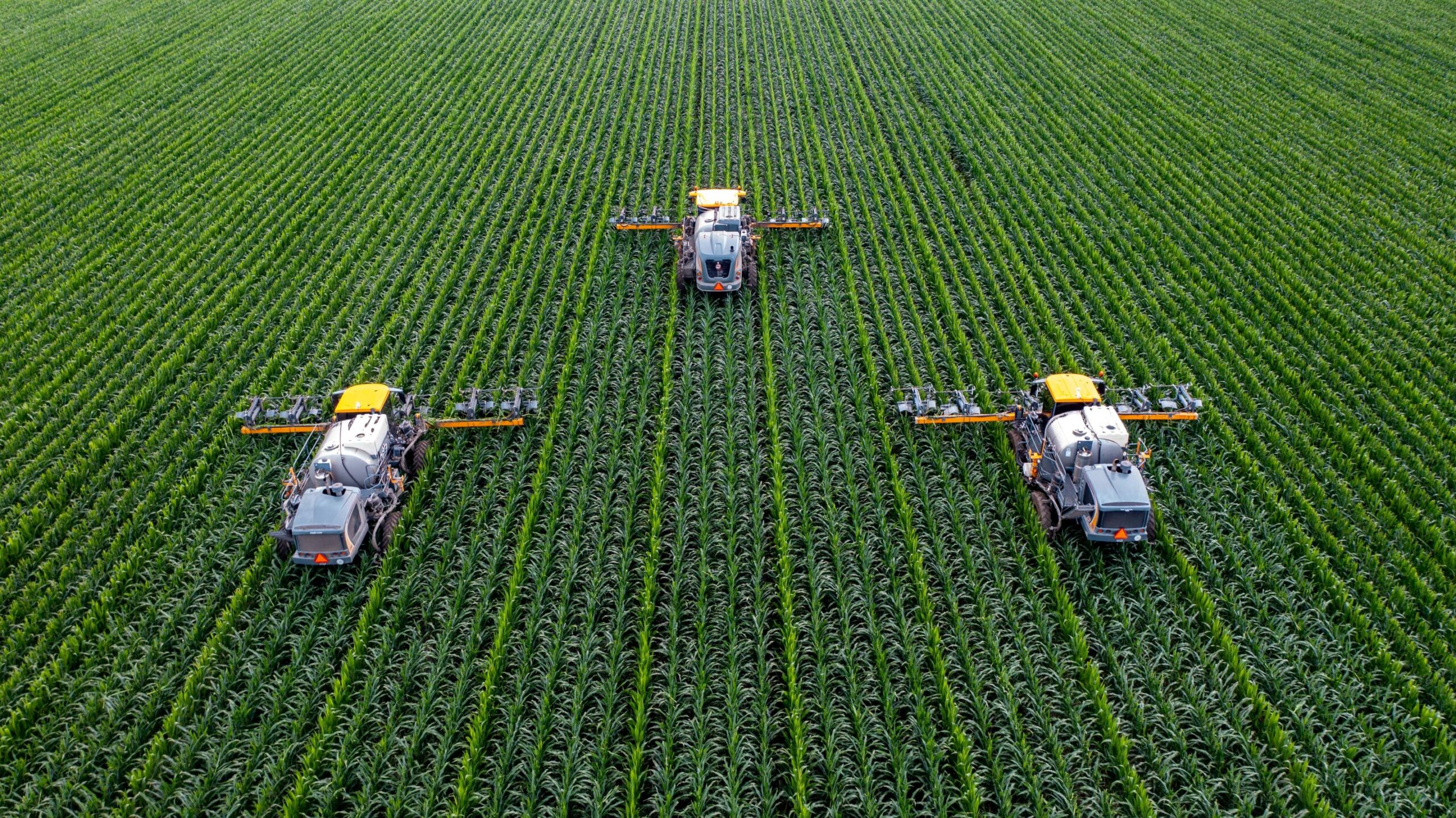
Smart agriculture is using new technologies to increase both the quality and quantity of agricultural products.
Let me explain with a few examples:
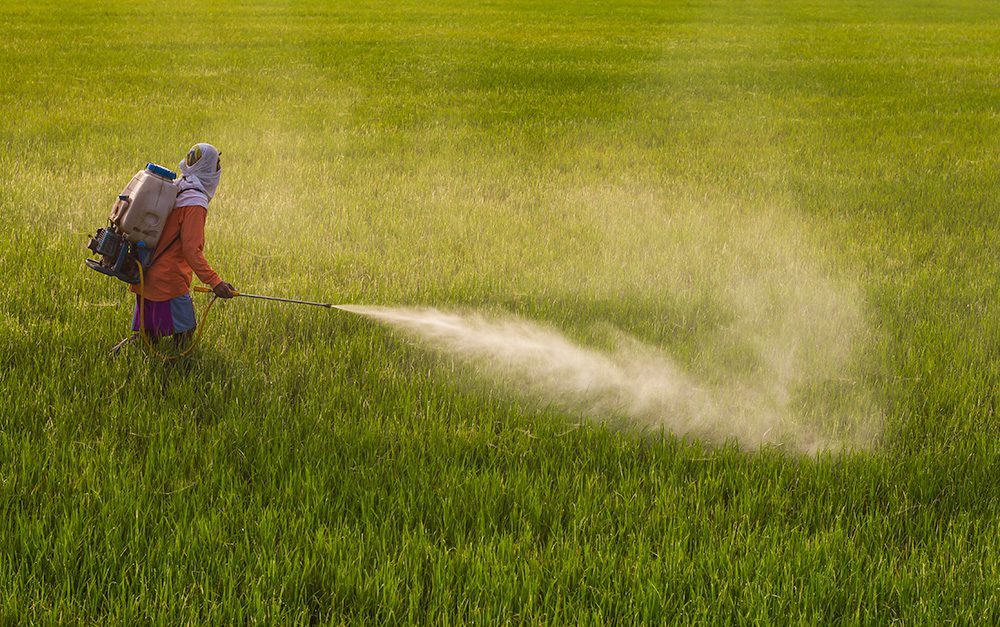
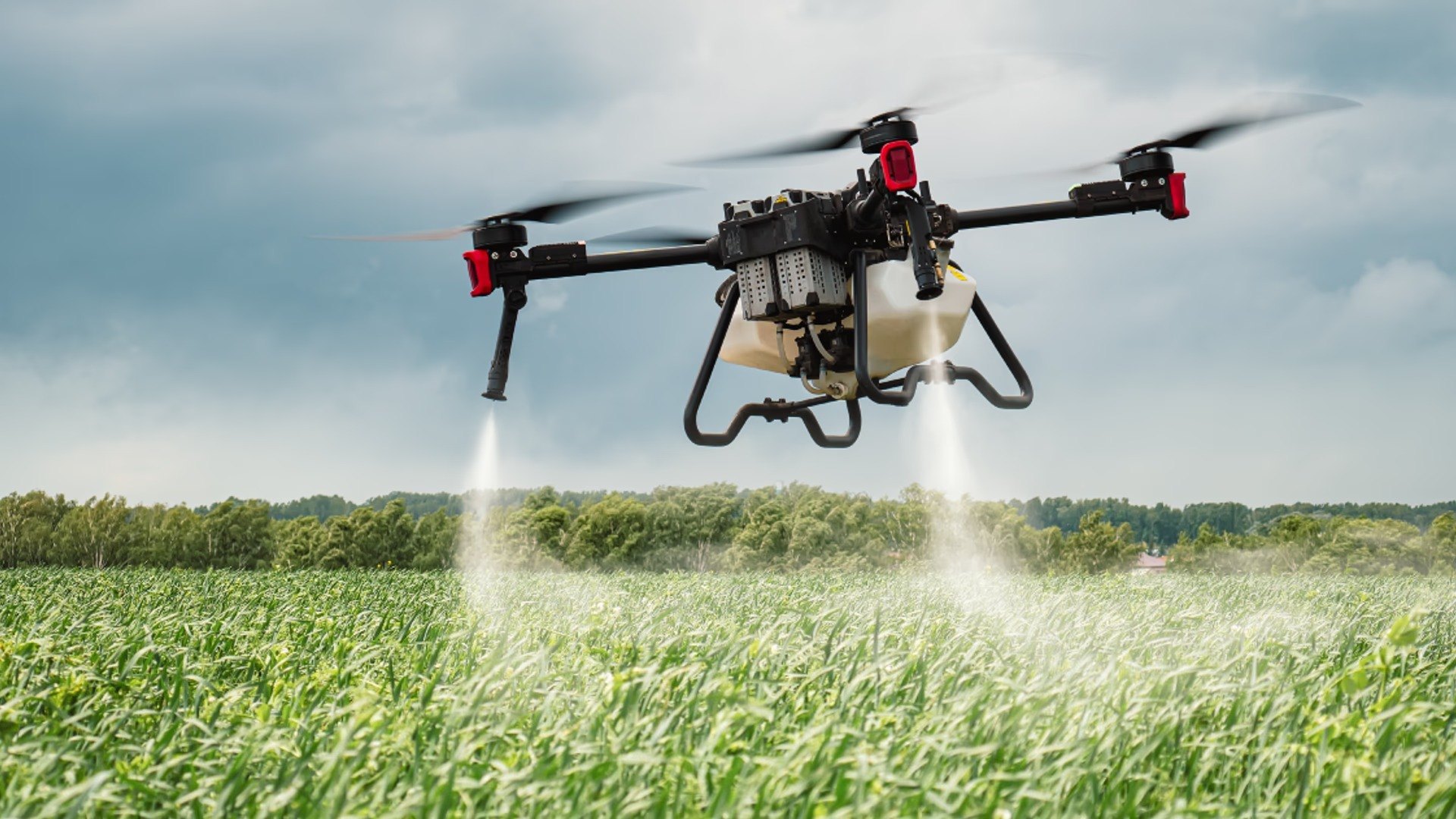
Imagine you have a potato field, but pests are affecting part of it. Traditionally, a worker would wear a container filled with pesticide and spray the whole area indiscriminately (like in the image below). But in smart agriculture, this is done differently. A drone flies over the field, capturing high-quality images. AI analyzes the images to identify the exact problem area. Then another drone sprays pesticide only on the affected area. This greatly reduces pesticide use.
Another example: You have a field, and some parts are dry and need watering. Not all parts need water at the same time or in the same amount. Sensors help farmers know which part needs water and when. Once identified, drones are used to water only those parts.
These two examples involve only drones and sensors. In reality, many more things can be done in agriculture using technology. You can read about these in my future blogs!
Thank you!
Subscribe to get notified when new post is published!
Hi! I’m Rishad Ibrahimov, a student at ADA University majoring in Agricultural Technologies. On this platform, I share blogs and insights related to my field.
Enjoy reading!