
What is Climate Change? How it effects Agriculture?
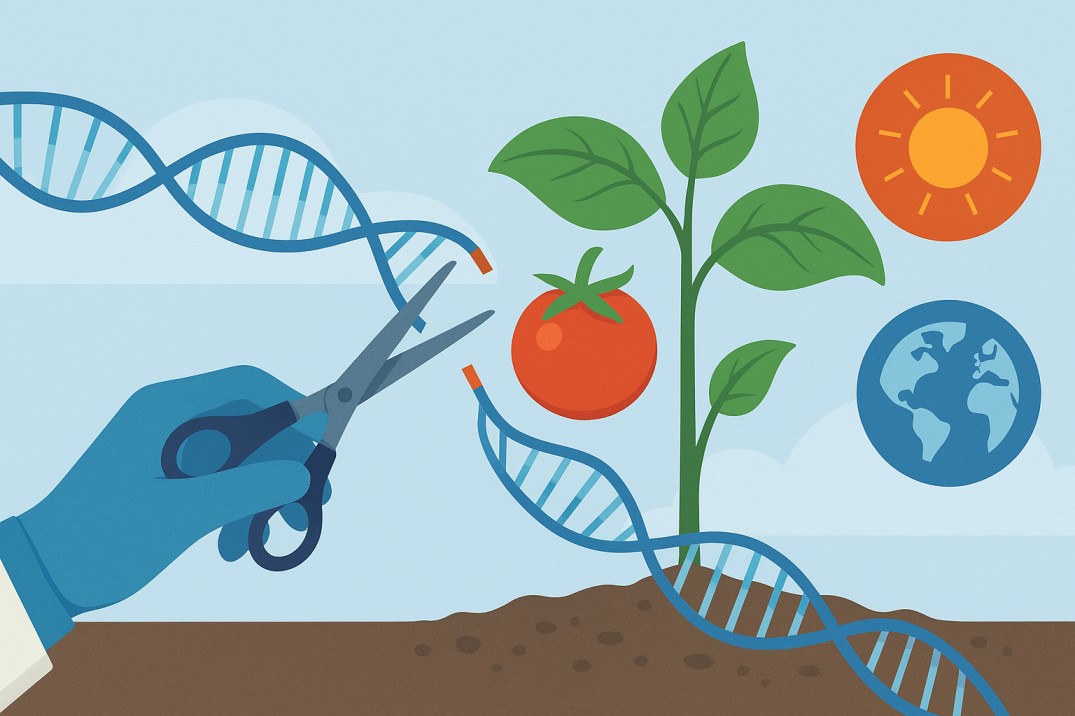
We have all probably heard about Climate Change. In this blog, we will briefly learn what climate change is, look at what causes it, then explore its impacts on agriculture and how we can reduce those impacts. But first, let’s see what Climate Change actually means:
Climate change, simply, refers to long-term changes in temperature and weather conditions. These changes can be natural (coming from nature itself) or caused by human activities. However, human activities cause much more damage than natural factors.
Human activities include:
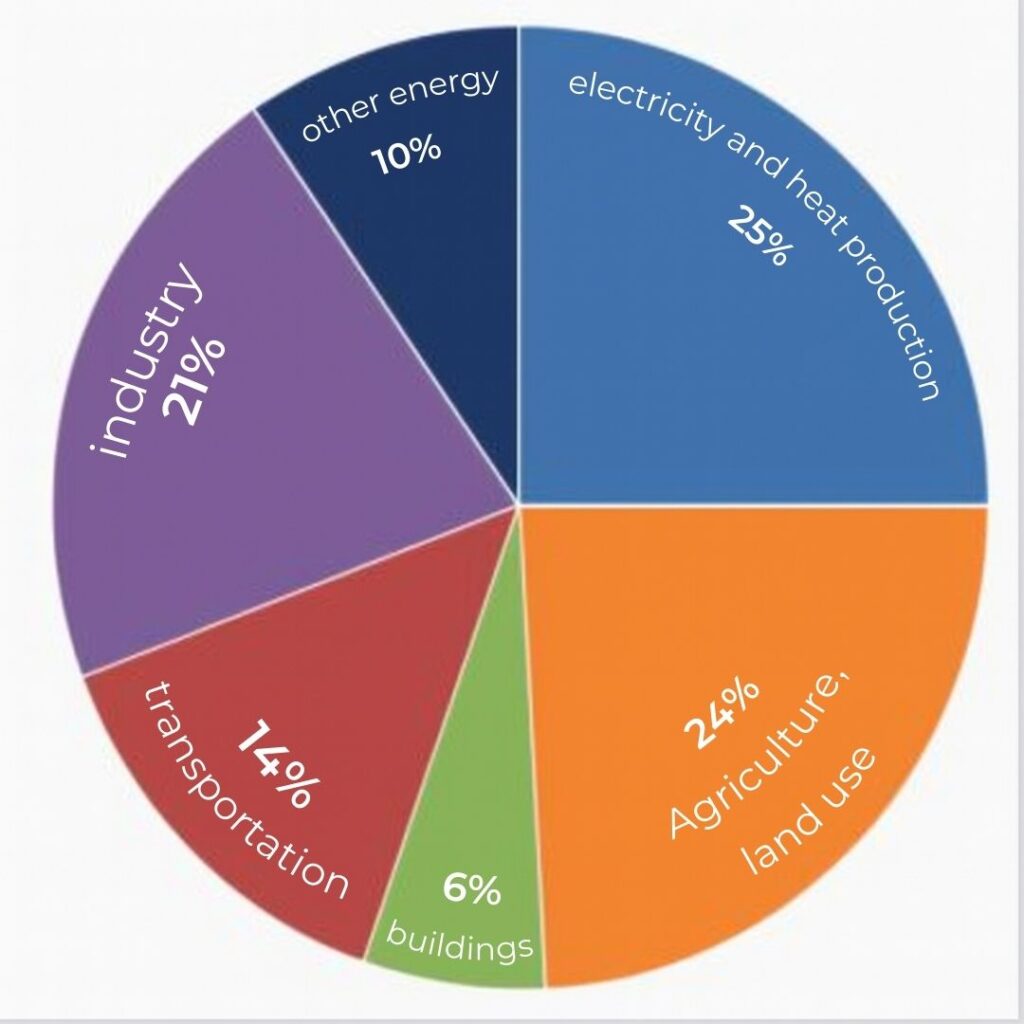
- electricity and heat production (25%) – for example, the energy used in homes, factories, and buildings
- agriculture and land use (24%) – for example, methane emissions from cows, sheep, and rice fields; deforestation, etc.
- industry (21%) – cement factories, steel and iron production, chemical products, etc.
- transportation (14%) – I think this one doesn’t even need an example :))
- buildings (6%) – gases used in homes, air conditioners, etc.
Right now, Earth’s temperature is 1.34–1.41°C warmer compared to the 1800s. Even worse, it is expected to rise another 1.2–4.1°C by the end of this century. To prevent this, emissions must be cut in half.
An interesting fact is that the world’s largest emitters (China, USA, India, the EU, Russia, and Brazil) together make up more than half of all global greenhouse gas emissions.
Impact on Agriculture
Now that we understand what climate change is, let’s move to our main topic: its impact on agriculture.
Although climate change affects agriculture in many ways, in this blog we will focus on the 6 main impacts: temperature rise, drought, salinity, flooding (excess water), pests and disease outbreaks, and reduced soil fertility. It may seem like a lot, but don’t worry — I’m writing as clearly and smoothly as I can so that both you and I enjoy this :))
1. Temperature Rise
As we mentioned, when climate change happens, temperatures rise, and this harms plant growth. For example: photosynthesis becomes weaker, flowers fall off earlier, fruits become smaller, and animals get exhausted more easily. One of the biggest issues is that livestock require more water to stay cool. If you don’t know what livestock cooling is, you can check this blog.
2. Drought
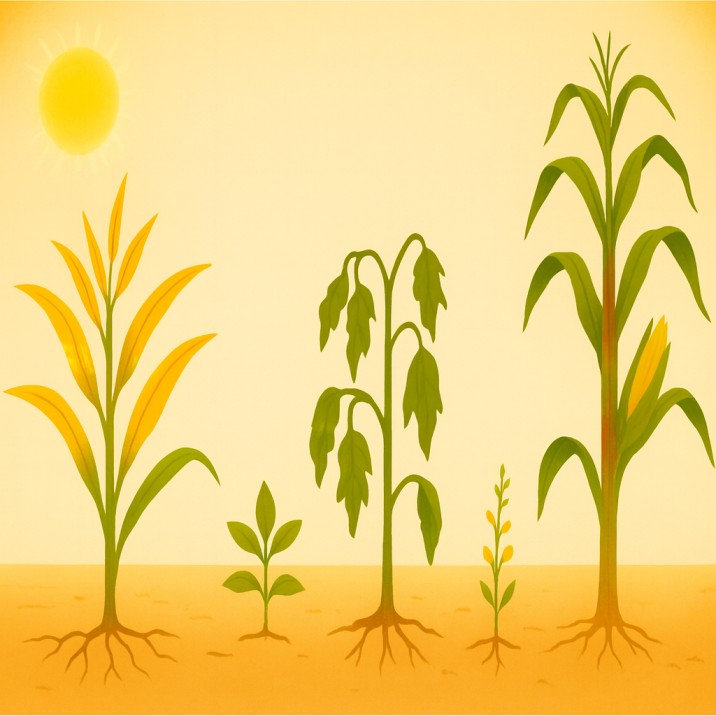
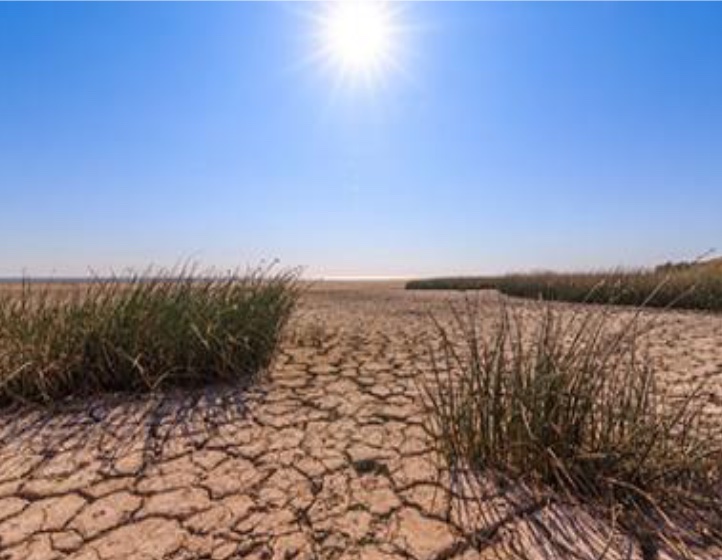
When temperatures rise, many areas turn into drought zones. Many people think heat and drought are the same, but they are different. Heat burns plants under the sun, but drought means plants lose moisture. This causes wilting, weakens the topsoil, and more.
3. Salinity
During climate change, soil starts to become saltier. This weakens the soil’s nutrients and slows plant growth. It also limits the amount of usable farmland.
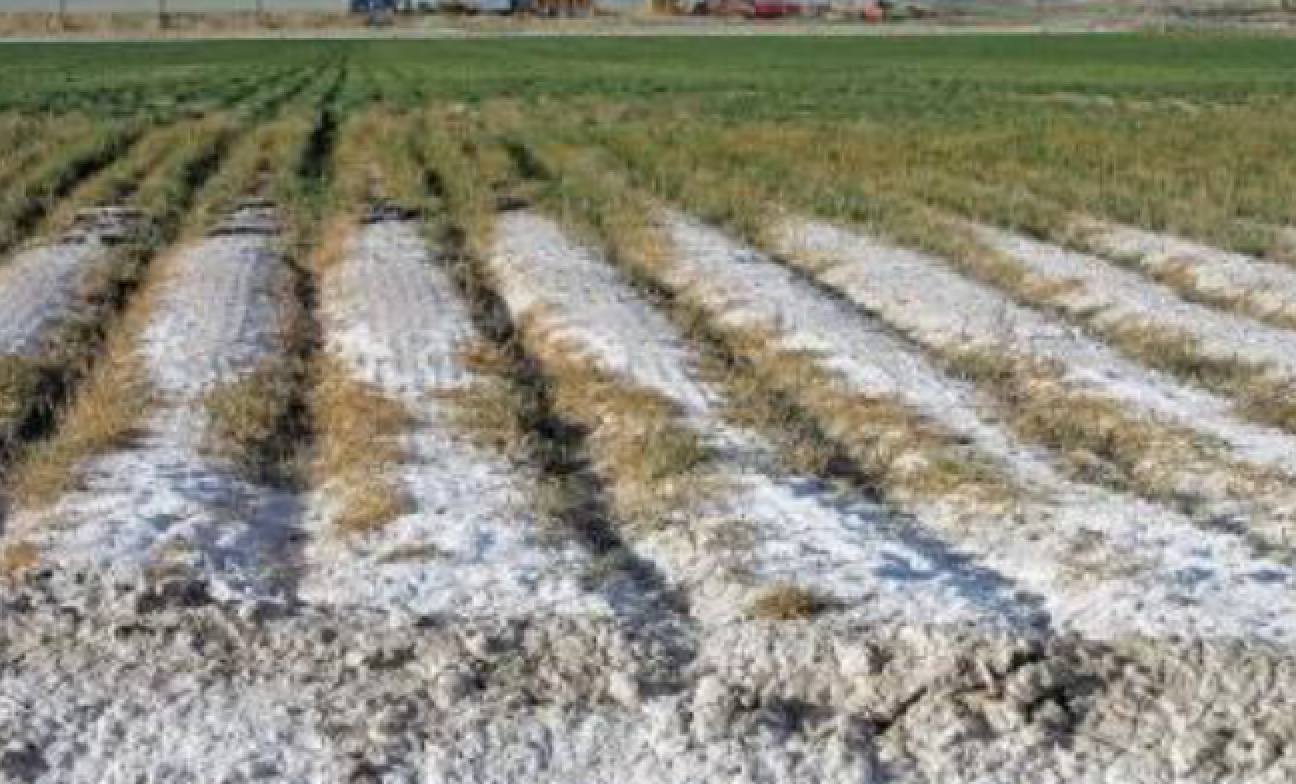
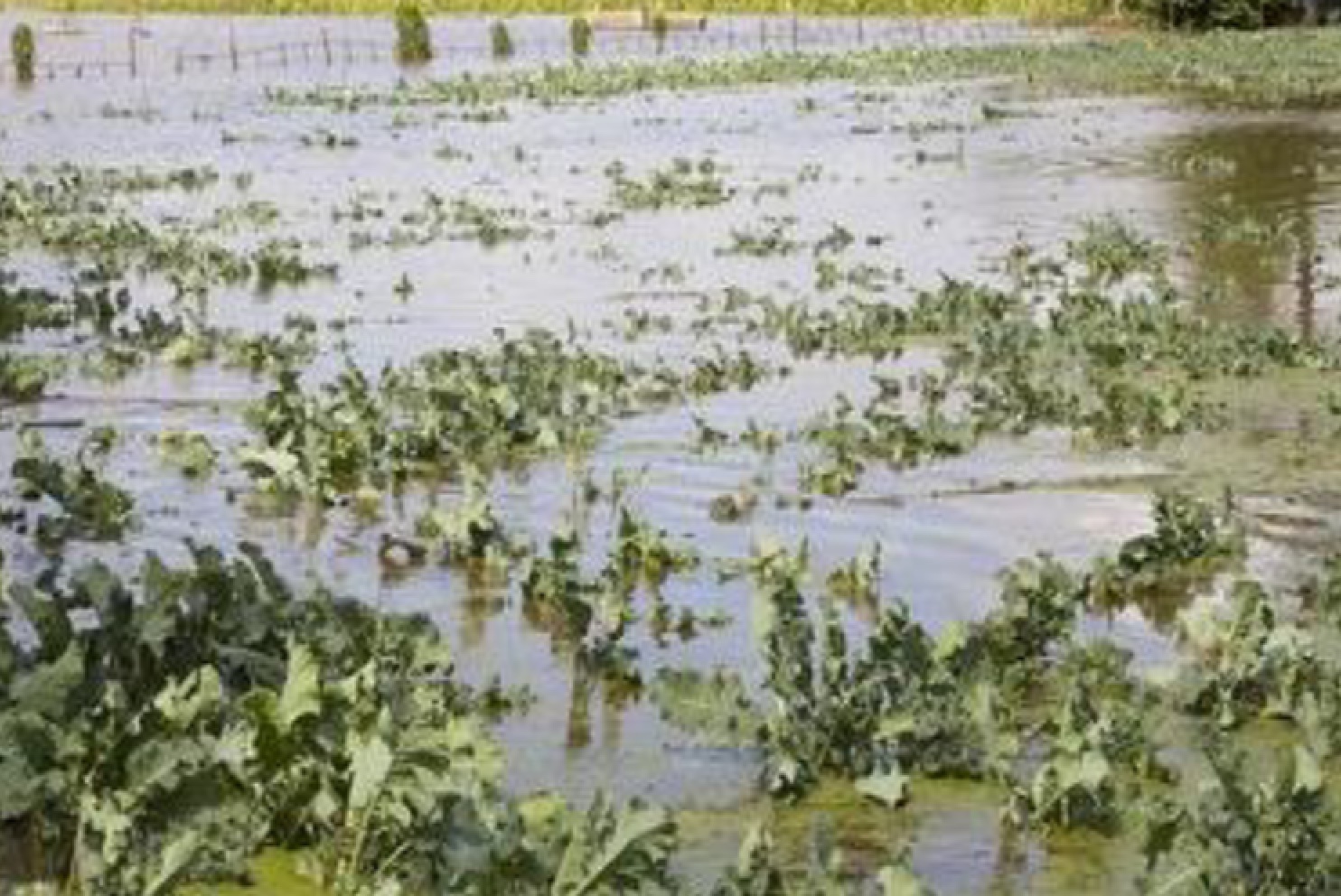
4. Flooding (excess water)
During climate change, the air holds more moisture, which comes from the oceans. Winds become stronger and rain becomes heavier. This causes major problems for farmland.
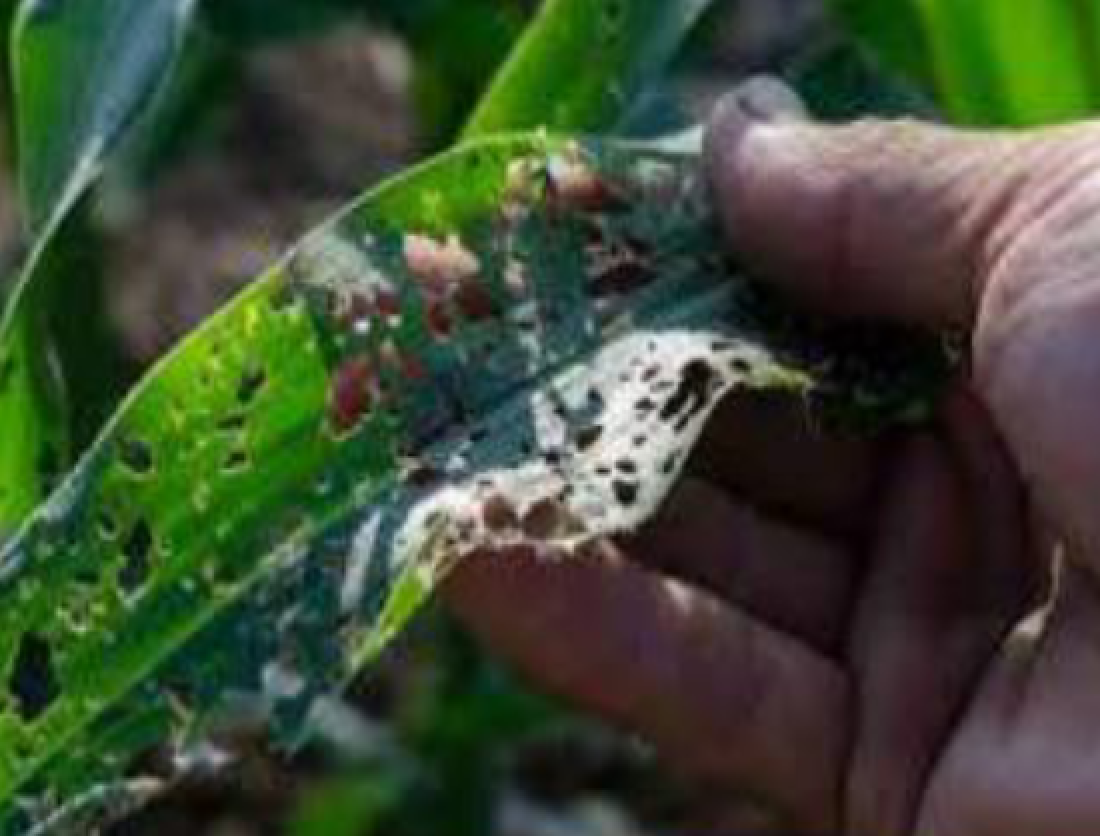
5. Pests and Disease Outbreaks
This one is actually easy to understand. When the weather gets warmer, we see more insects. The same happens in agriculture — pests multiply faster as temperatures rise and damage crops.
6. Reduced Soil Fertility
Climate change damages soil in several ways. Heat dries it out, heavy rain washes away the top layer, drought kills microorganisms, and more. In short — the soil becomes weaker.
By the way, you can read this blog about soil. I explained it in detail there.
Ways to Avoid These Problems
All these events create major problems in agriculture. However, in smart agriculture, all these problems can be solved.
In smart agriculture, there are two ways to avoid these issues: adaptation and mitigation. Let me explain them very simply.
Adaptation means we accept that climate change is happening and we learn how to protect ourselves and our land. Mitigation means we try to reduce climate change itself.
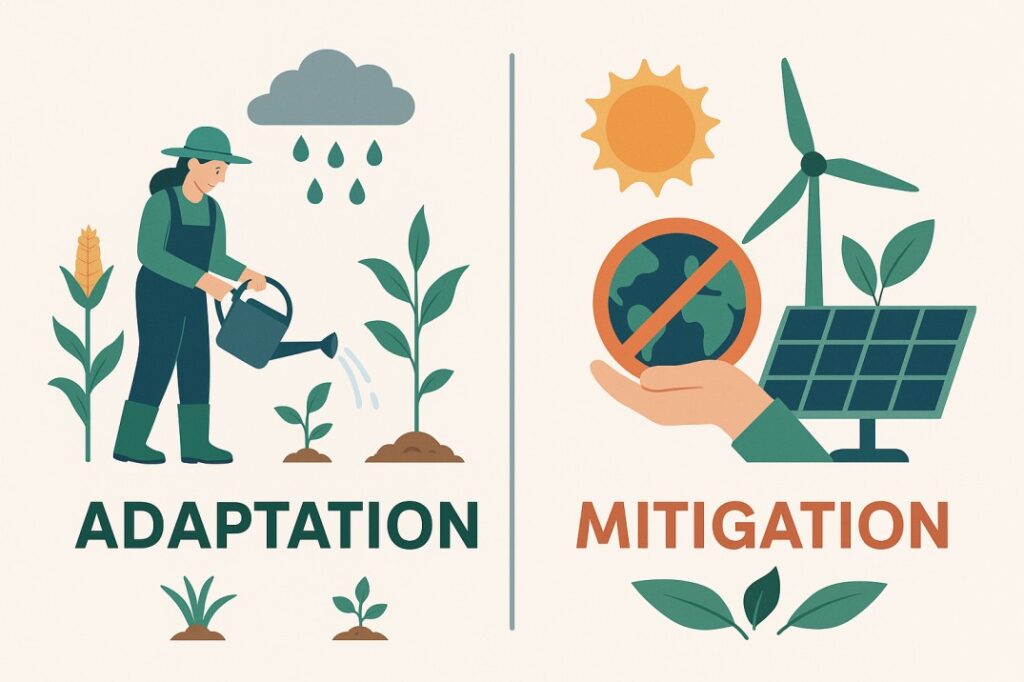
Adaptation Strategies
As we said, adaptation is about protecting ourselves. Here are the ways to stay safe from climate change:
Climate-resilient crop varieties
This is the biggest strategy. Here they simply modify crop types to match the climate. They use methods like GMO, CRISPR, speed breeding, and more to add new features to plants.
For example, let’s talk about GMO. In this method, a plant’s genetics are combined with beneficial genes from other organisms. This means a trait the plant doesn’t naturally have (like salt tolerance, disease resistance, or long shelf life) can be added at the genetic level. You can read more about genetics, species, and ecosystems in this blog.
Or take CRISPR — with this method, if there is a problem in a plant’s genetics, scientists fix it and then grow the improved plant.
I used to wonder, how do they “upgrade” a plant? Do they fix every seed one by one? Then I learned that they fix one seed and grow others from it. Interesting, right?
And lastly, let’s talk about Speed Breeding. With this method, farmers grow crops indoors instead of outdoors, use LEDs instead of sunlight, and grow plants using water and nutrients instead of soil.
Mitigation Strategies
Finally, let’s talk about mitigation strategies.
Using these strategies, farmers try not to protect themselves from climate change, but to fight it — basically switching to smart agriculture.
As we know, smart agriculture heavily relies on data, AI, robots, drones, and more. With these technologies, farmers use less water and fewer chemicals. Everything becomes “smart.”
The End
That’s all. I hope you now understand climate change, its problems, its role in agriculture, and the solutions.
Thank you!
Subscribe to get notified when new post is published!
