What is FAO? Everything You Must Know!
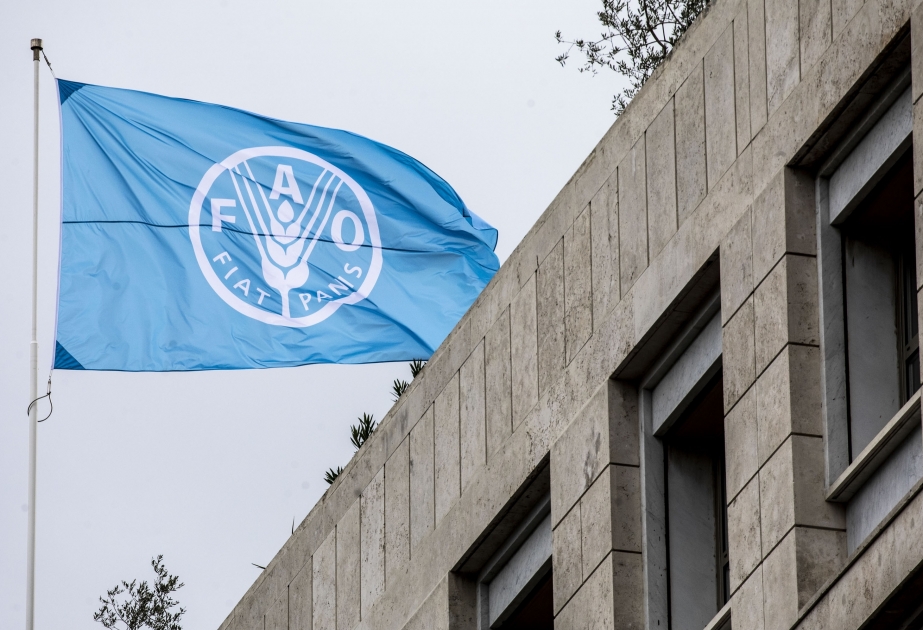
Humanity has always lived in societies. Some are rich, some are poor. Some are full, others are hungry… But no matter what, humanity has always needed food.
If you’re reading this blog, chances are you have access to enough food whenever you want. That’s because our country has an economy, a workforce, and resources. In short, we can benefit from a wide variety of food supplies in supermarkets. We’ve never really imagined going to a market and seeing nothing on the shelves.
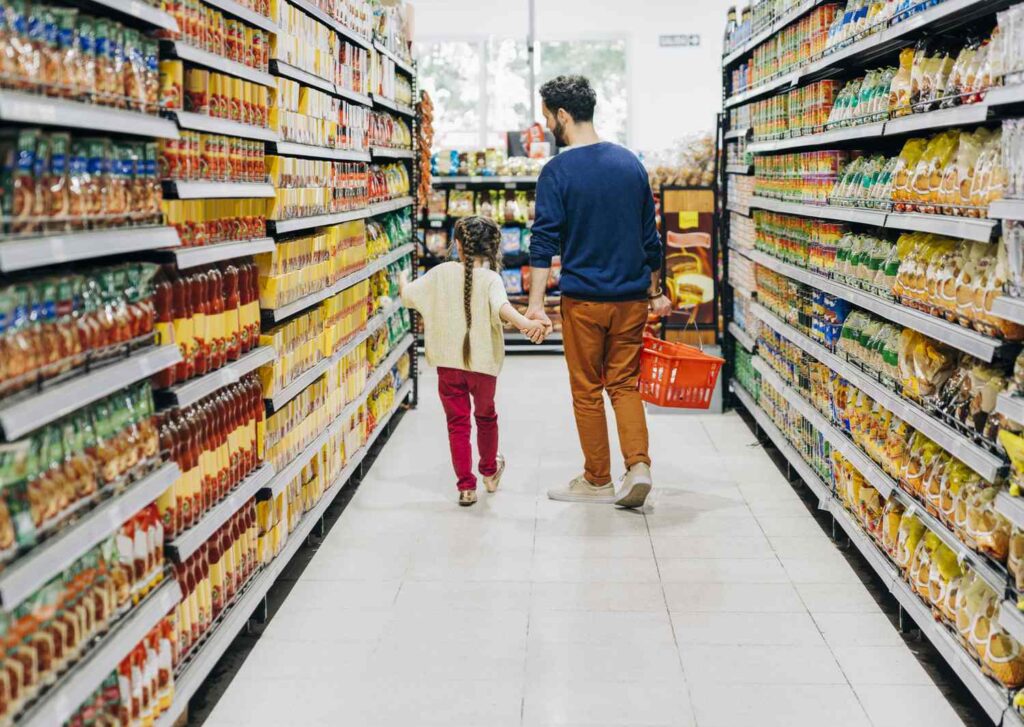
So then, if we, and nearly 100 countries like us, have this kind of access, why are around 750 million people worldwide suffering from hunger? (That’s roughly 10% of humanity.)
There are actually two ways to answer this. One is to talk about reality (the massive gap between the very rich and the very poor). The other is to accept reality and look for solutions. In this blog, we’re focusing on the second one. There is an organization working toward this goal worldwide: FAO, or the Food and Agriculture Organization of the United Nations (UN).
What / who is FAO?
The Food and Agriculture Organization (FAO) is a specialized agency of the United Nations that leads international efforts to fight hunger.
This is FAO’s own definition. Based on what I came across while researching them, I can say that FAO’s role includes providing food during sudden global disasters, aiming to end hunger, discovering innovations, and, yes, celebrating special days.
Below, I’ve listed FAO’s achievements in categories, based on their own sources:
FAO was founded in February 1945 in Quebec City, Canada. One of its earliest tasks was to understand the nutrients provided by food. FAO’s goal is to protect global food security and put an end to hunger, and they’re still fighting for that today.
Actions during major famines
FAO has achieved many successes during major global disasters. Some of them include:
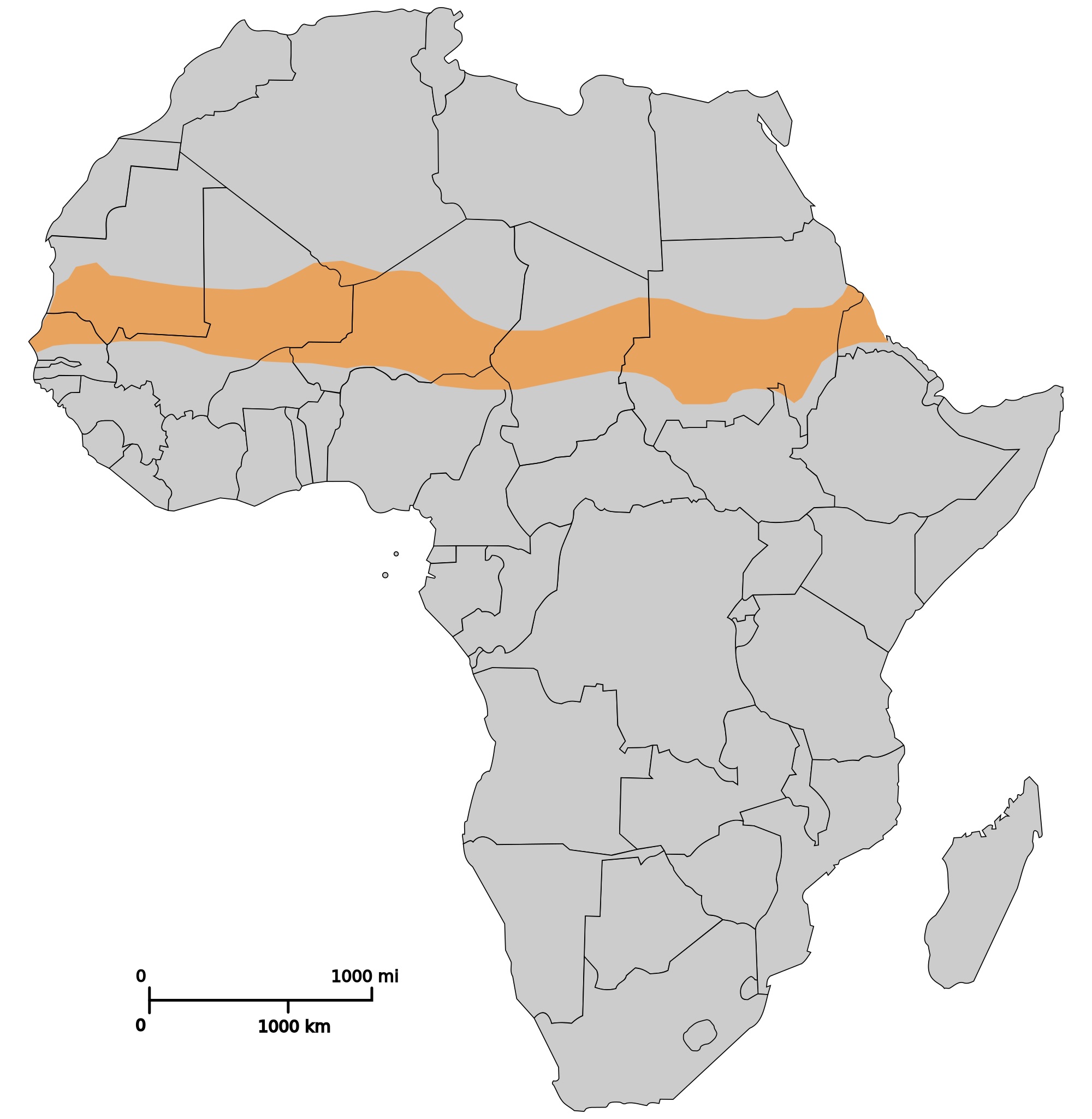
In 1972, major droughts occurred in the Sahel region (a region in Africa), leading to serious problems. FAO immediately sent 20,000 tons of grains and protective food supplies to the area. Over three years, approximately 1.5 million tons of grain were delivered.
1987, the Chernobyl disaster. Serious disruptions occur in food safety and reserves. At this point, responsibility falls on FAO, and FAO advises governments to adopt regulations on food safety. FAO proposes the idea of properly managing the trade of products that may be at risk.
The Chernobyl disaster occurred during a reactor test in Ukraine, when a reactor exploded. This explosion created radioactive clouds that spread to neighboring countries. These clouds carried harmful radiation.

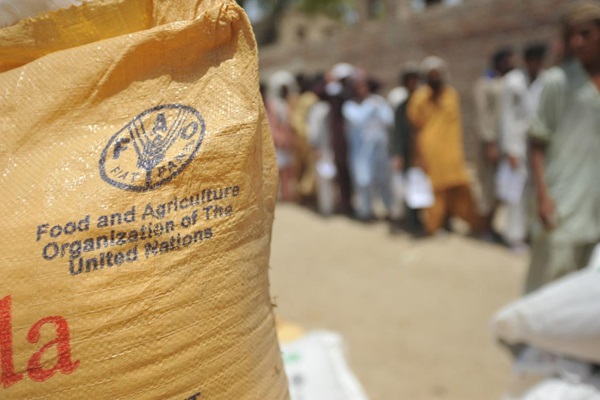
In 2010, Pakistan faced major difficulties and requested food distribution from FAO. FAO sent wheat seeds to half a million farming families. In addition, food and medicine (including for animals) were allocated to 235,000 families.
In 2011, FAO and OIE announced that rinderpest, a widespread and devastating livestock disease, had been eradicated. They noted this was the result of years of research.
In 2020, FAO developed the COVID-19 Response and Recovery Programme, requiring $1.3 billion to ensure food access for everyone during the pandemic.
World Food Surveys
FAO conducts Food Surveys over long intervals. Countries around the world participate, essentially documenting the current state of food security.
Survey I, 1946. The results showed that hunger was widespread and food shortages were a serious issue.
Survey II, 1952. This time, it became clear that daily calorie intake per person had significantly decreased. The gap between countries consuming above-average and below-average food also widened sharply.
Survey III, 1963. The survey revealed a slight increase in food per capita, but only in developed countries. In other words, 10–15% of humanity was still hungry, and about half of that group was suffering severe hunger.
Survey IV, 1977. Results showed that food per capita had decreased in many countries. In these countries, 25% to 50% of young children were suffering from hunger.
Survey V, 1985. Once again, the survey showed that the number of hungry people was increasing rapidly.
Special days
FAO designates many special days. Some of them are listed below:
October 16 – World Food Day
May 20 – World Bee Day
February 10 – World Pulses Day
Pulses include 12 types of high-protein foods with different vitamins, such as dried beans, lentils, dried chickpeas, chickpeas, and more.
December 5 – World Soil Day
May 21 – International Tea Day
Programs and initiatives
In 1952, the Desert Locust Programme was established. Its goal was to eliminate desert locusts before they could damage crops.
In 1961, the Fertilizer Programme was launched. Its aim was to use fertilizers correctly and increase farm yields in agricultural fields.
In 1963, the World Food Programme was established. Its purpose was to deliver food supplies on time to areas in need.
In 1976, the Technical Cooperation Programme was created to make FAO’s technical knowledge accessible and support development efforts in member countries. Today, it provides assistance across all areas of FAO’s work.
In 2020, FAO developed the COVID-19 Response and Recovery Programme, requiring $1.3 billion to ensure food access during the pandemic.
That same year, a new flagship business model called the Hand-in-Hand Initiative was launched. The goal is… well, you already know :)) In short, bringing governments and the private sector together to end hunger.
Also that year, FAO proposed the Green Cities Initiative, aiming to have two-thirds of humanity living in cities by 2050. This program supports governments in developing urban and peri-urban forestry, agriculture, and bioeconomy activities to improve the quality of life for city residents.
In 2021, the Digital Villages Initiative was launched. Its purpose was to close the technology and innovation gap in low- and middle-income regions. The program helps rural areas use digital tools to increase agricultural productivity and diversify economic activity beyond farming.
That same year, FAO established its Strategic Framework for 2022–2031. The framework was officially approved by members, setting a new vision for FAO’s work over the next decade in addressing hunger, poverty, and inequality. It defines a plan to support the 2030 Agenda through better production, better nutrition, a better environment, and a better life for all.
In 2022, the One Country One Priority Product Initiative was launched. In short, each country focuses on one unique product. The first five countries were Bangladesh, Egypt, Malawi, Trinidad and Tobago, and Uzbekistan.
FAO strengthened its work against antimicrobial resistance (AMR) by launching RENOFARM, a 10-year global initiative. This initiative supports countries in reducing the need for antimicrobials in livestock production. Later that year, FAO introduced the Antimicrobial Resistance Information System (inFARM), the largest and most complex IT platform ever created to fight AMR in the animal and food sectors.
The International Treaty on Plant Genetic Resources for Food and Agriculture marked its 20th anniversary. Covering 150 partner countries and the European Union, the Treaty, established through FAO’s initiative and hosted by FAO, has enabled the transfer of nearly 7 million plant genetic materials. It also gave strong momentum to the creation of the Svalbard Global Seed Vault in Norway, which currently safeguards 1.2 million seed samples.
FAO determined that closing productivity and wage gaps in farming and agri-food systems could boost the global economy by $1 trillion, reduce hunger for 45 million people, and strengthen the resilience of hundreds of millions of families. Based on these findings, FAO launched the Commitment to Gender Equality initiative, calling on governments and organizations to invest seriously and cooperate to improve agri-food systems for women.
In 2022, FAO presented its first Science and Innovation Strategy, showing how science, technology, and new ideas can be used, mainly to achieve the UN’s 2030 development goals.
Meetings and conferences
In 1996, the World Food Summit, bringing together 10,000 members to plan the next millennium, became a historic event.
FAO, in cooperation with the Italian government, held a pre-summit meeting in Rome ahead of the UN Food Systems Summit. This meeting brought together youth, farmers, Indigenous peoples, citizens, researchers, and political leaders to kickstart global progress toward the 17 Sustainable Development Goals.
In 1970, the UN Conference on the Human Environment was held. Participants discussed how to solve global problems and proposed 108 recommendations, 36 of which were submitted by FAO.
In 1974, the Committee on World Food Security (CFS) was established based on FAO’s advice. The goal was simple: grow more grain and feed more people.
In 1984, the World Fisheries Conference was held in Rome. High-level officials attended, and issues weakening the sector were discussed. The conference concluded with a long-term agreement.
In 1992, at the International Conference on Nutrition, governments pledged to eliminate or drastically reduce hunger in the next millennium.
In 2002, five years after the World Food Summit,delegations from 179 countries and the European Commission reaffirmed the international community’s commitment to halve the number of undernourished people by 2015. Two years later, the Right to Food Guidelines were developed by FAO.
I know, 2002 is actually six years after 1996. They just counted it as five…
In 2009, another World Summit on Food Security was held, where 60 heads of state and 192 ministers adopted a declaration committing to eradicate food insecurity.
In 2014, the Second International Conference on Nutrition (ICN2) took place. Its goal was to bring together policymakers from agriculture, health, and other relevant ministries worldwide with UN leaders.
In 2015, the Millennium Development Goals Summit was held. It became the largest gathering of world leaders. At this meeting, the UN Millennium Declaration was adopted. Same goal as always…

This is what I found about FAO, hope you liked!
References
Subscribe to get notified when new post is published!
