
What is Soil and Soil Erosion? – Everything about Soil
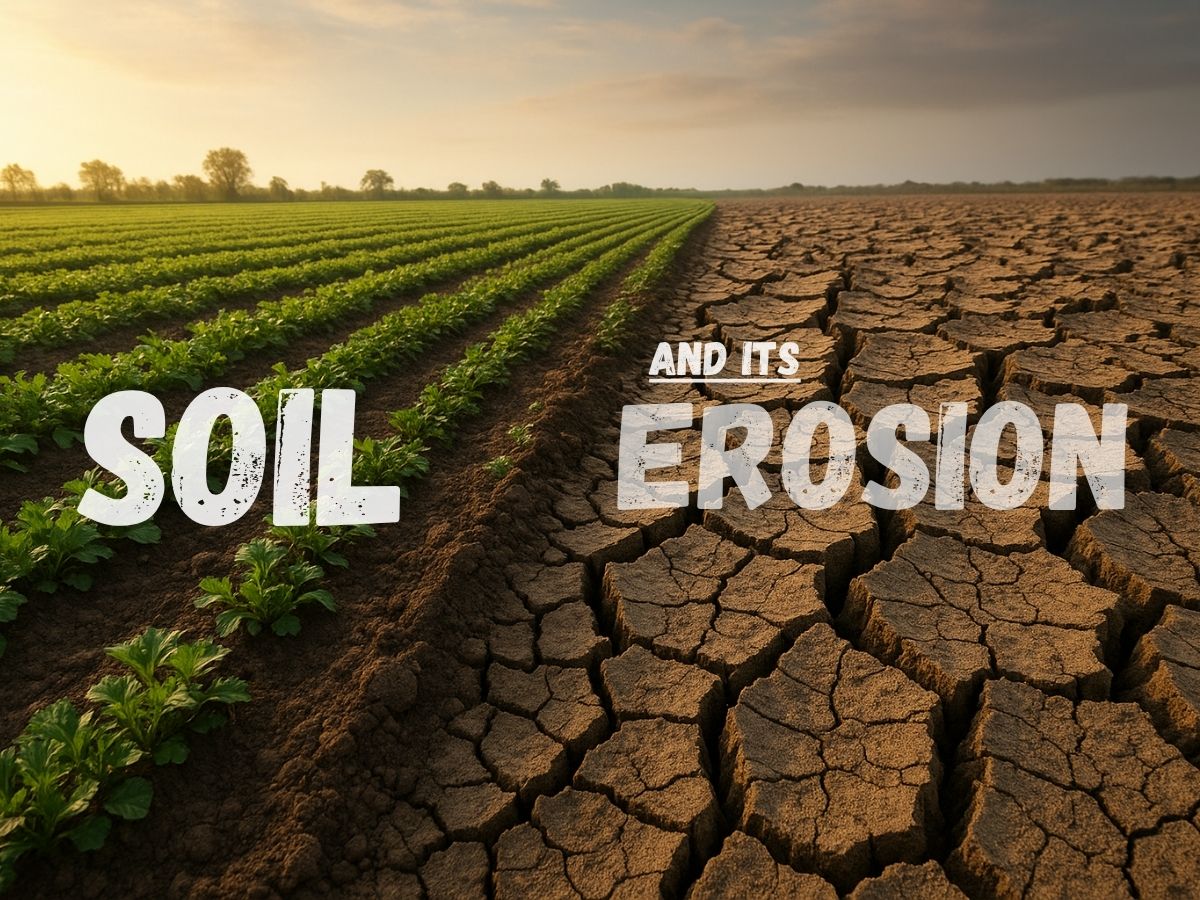
Hi. I’d like to explain the Soil and its Erosion. A few days ago I learned a lot about them in university. After the class, I realized I didn’t know what they were and how were used. I investigated it a lot. Now, I’ll try to explain it in the best and easiest way possible.
Soil is not just dirt. It’s the foundation of every tree, crop, and living organism on Earth. Without it, there’s no food, no clean water, no farming, no life. Yet, every year, we lose a little more of it — silently.
What actually Soil is?
“Soil is a mixture of mineral and organic matter that contains air, water, and micro-organisms.”
Healthy soil is like an invisible factory that never stops working.
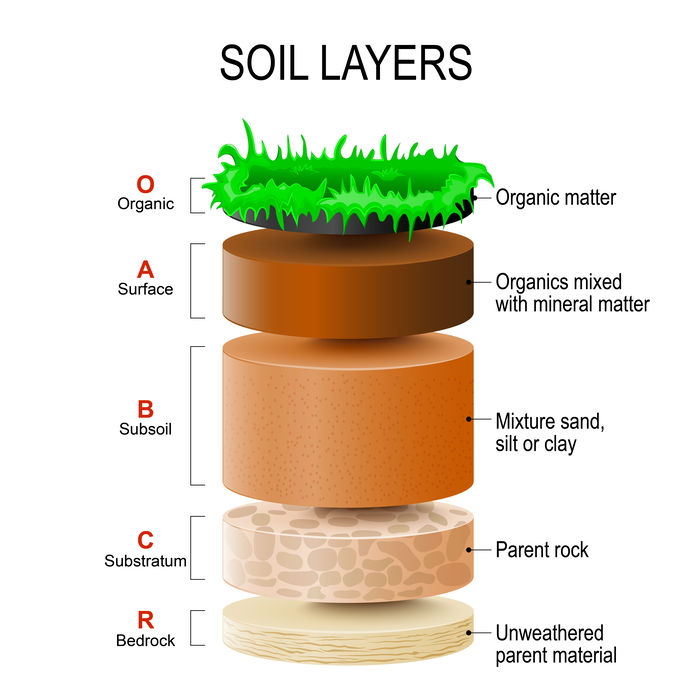
This is the layers of soil. It has Organic, Surface, Subsoil, Substratum, Bedrock.
What Soil Functions are?
Soil does much more than just hold plants in place. It:
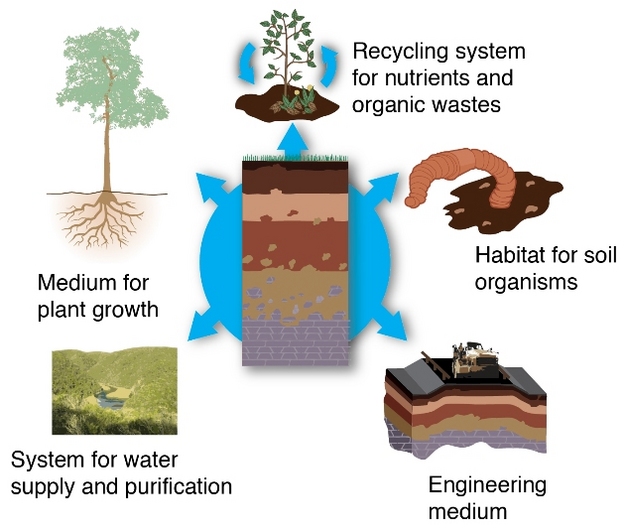
- Serves as a medium for plant growth — providing space and nutrients.
- Acts as a water filter and storage system — storing rain and cleaning it before it reaches rivers.
- Recycles nutrients — turning waste into natural fertilizer.
- Provides a habitat for life — billions of microbes live beneath our feet.
- Serves as an engineering base — supporting our homes, roads, and farms.
What Is Soil Erosion?
Remember the layers and look at the first 2. If both of them are ruined by some specific accidents (we’ll talk about them), it’s called Soil Erosion. This thin layer takes hundreds of years to form, yet we can lose it in just one heavy rain or a season of poor farming.
What/Who causes Soil Erosion?
Really interesting question. There are 2 ways of it: human, and nature.
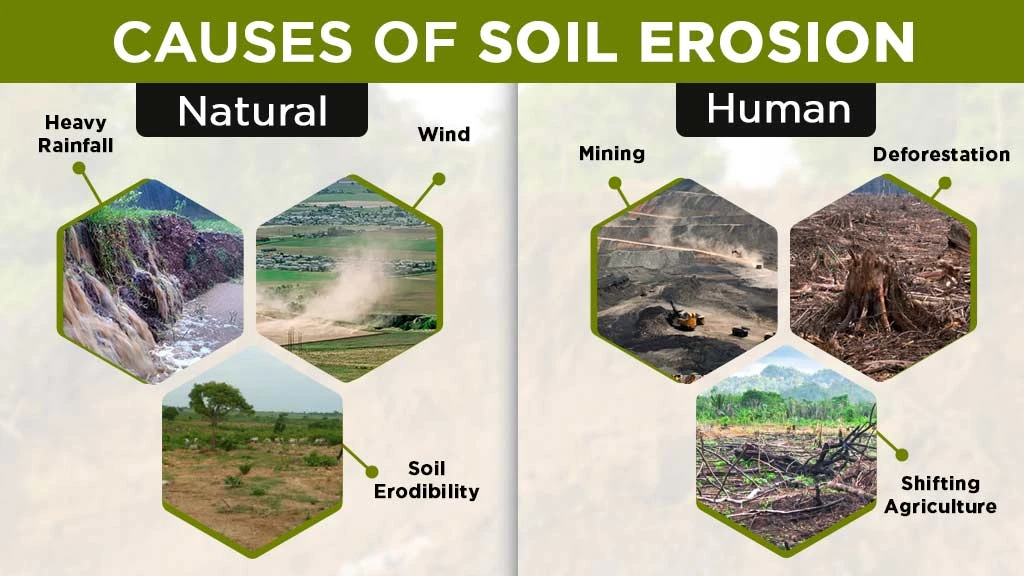
Heavy Rainfall: washes away topsoil into rivers.
Wind: carries dry, loose particles far from the field.
Soil Erodibility: weak, sandy soil is more likely to erode than clay or organic soil.
Deforestation — cutting down forests removes roots that hold soil in place.
Mining — leaves land bare and weak.
Shifting Agriculture — moving farms without replanting leaves land exposed.
Over-tillage — plowing too often breaks soil structure.
Poor Irrigation — drains nutrients and washes soil away.
Monocropping — growing the same plant every year makes the soil tired and nutrient-poor.
Why It Matters
When soil goes, everything goes with it.
It takes nature around 500 years to rebuild just 2 centimeters of topsoil, yet humans can destroy it in one storm or one bad season. Erosion doesn’t only harm farmers — it affects everyone, from the air we breathe to the food on our tables.
How to Protect the Soil
We can all help protect the ground under us:
- Plant more trees — their roots lock soil in place.
- Avoid over-plowing.
- Use cover crops to protect soil between growing seasons.
- Improve irrigation and drainage systems.
- Educate others about how soil supports all life.
If every human tries a bit to protect soil, there may be no soil erosion.
Every time I walk on the ground, I remember what my dad said:
“Allah gave us the soil once — He will not give it again.”
We must care for it — not only for ourselves, but for the generations that will depend on it after us.
Subscribe to get notified when new post is published!
